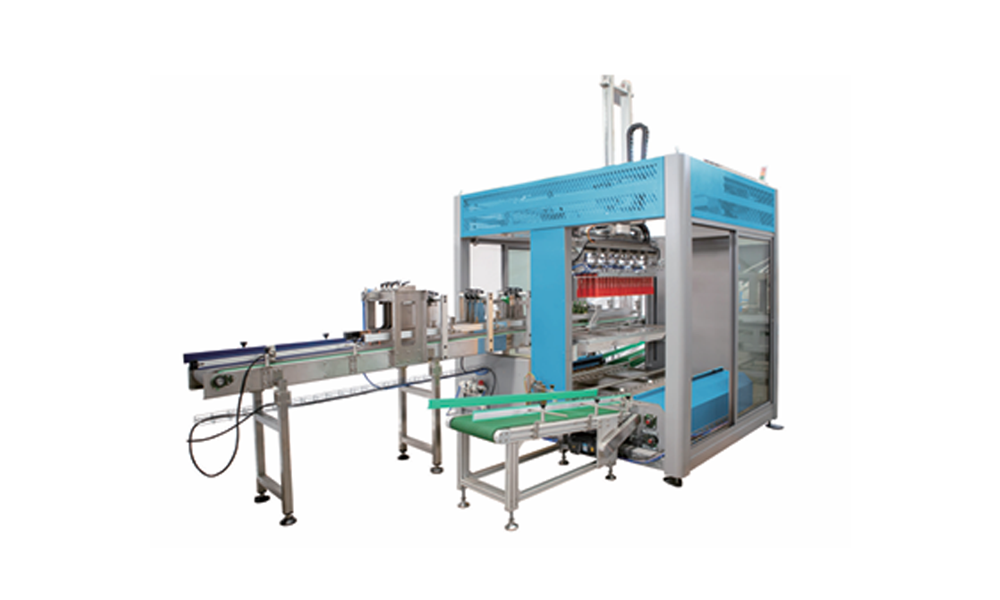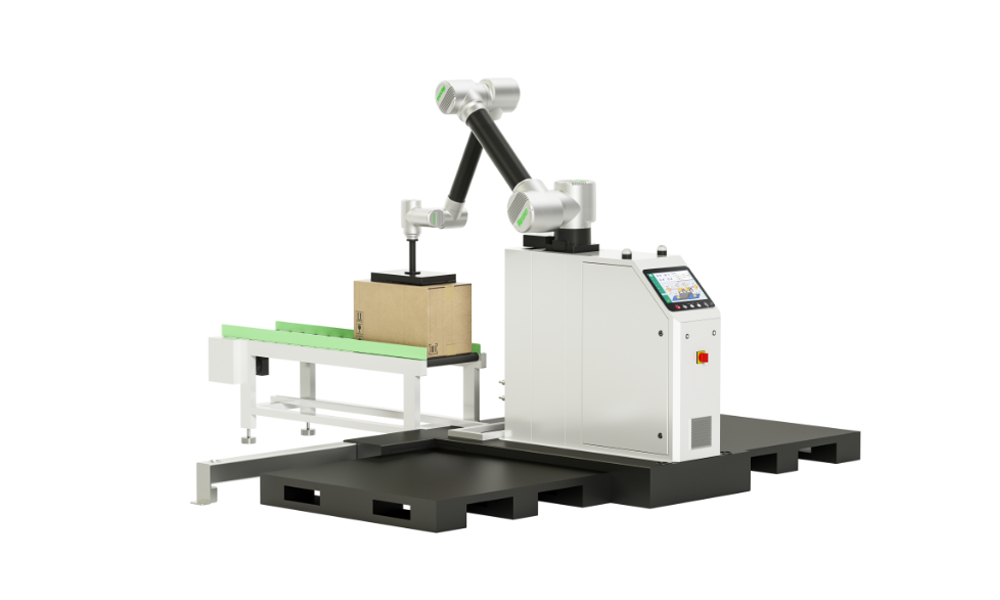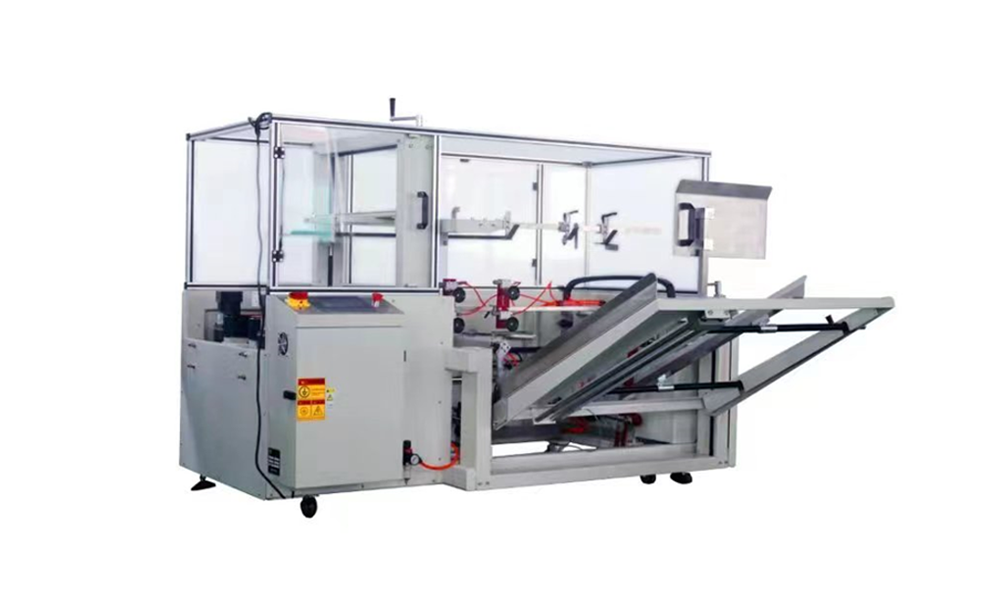


In the context of escalating market diversification and personalized consumer needs, flexible automated post-packaging lines have emerged as a transformative solution for manufacturing enterprises. Breaking free from the limitations of traditional fixed-line packaging systems, these lines combine modular design, intelligent control, and adaptive technology to seamlessly handle multi-specification, small-batch, and mixed-product packaging requirements. They have become a pivotal driver for enterprises to enhance production agility, reduce changeover costs, and gain competitive edges across sectors like consumer goods, pharmaceuticals, electronics, and e-commerce logistics.
The core competitiveness of flexible automated post-packaging lines stems from their three defining traits: rapid adaptability, modular integration, and intelligent synergy. In terms of adaptability, these lines can switch between different product specifications—such as varying bottle sizes, carton dimensions, or packaging formats—in as little as 10-15 minutes, compared to the hours required by traditional lines. For instance, a leading daily chemical enterprise’s flexible line can accommodate over 20 types of skincare product packaging, adjusting gripping fixtures, conveying speeds, and packing patterns automatically via pre-set programs. Modular integration allows enterprises to customize line configurations by combining standard modules (e.g., adjustable case packers, multi-functional labelers, and flexible palletizers) based on production needs, avoiding redundant equipment investment and enabling scalable expansion. Intelligent synergy, powered by AI visual recognition, IoT connectivity, and cloud-based parameter management, enables real-time monitoring of production data, predictive maintenance of equipment, and dynamic optimization of packaging processes, ensuring stable operation even in high-frequency changeover scenarios.
Industry-specific applications of flexible automated post-packaging lines highlight their targeted value. In the consumer goods sector, where product iterations are frequent, a snack brand’s flexible line integrates robotic pick-and-place systems with adjustable sorting conveyors, handling mixed packing of pouch snacks, candy boxes, and dried fruit packages. It achieves a packing efficiency of 80-100 cartons per minute while maintaining a product damage rate below 0.1%. The pharmaceutical industry, with strict compliance and traceability demands, adopts fully enclosed flexible lines that integrate sterile case packing, online weight inspection, and batch coding. These lines can switch between blister pack, bottle, and ampoule packaging without compromising GMP compliance, as demonstrated by a pharmaceutical enterprise that increased its SKU processing capacity by 60% after implementation. For the electronics industry, which deals with fragile and irregular components, flexible lines equipped with soft grippers, buffer material automatic feeding, and precision positioning systems ensure safe packaging of products like circuit boards and small appliances. A semiconductor component manufacturer’s line reduces changeover downtime by 75% and cuts packaging-related rejects by 40%. In e-commerce logistics, where order fragmentation is prevalent, flexible lines with intelligent carton sizing and mixed-item packing capabilities process up to 3,000 orders per hour, adapting to the random combination of products in each order and minimizing packaging material waste.
The technical architecture of a flexible automated post-packaging line revolves around four key components: adaptive execution equipment, intelligent control systems, digital twin simulation, and modular conveying networks. Adaptive execution equipment—such as servo-driven case packers with adjustable push strokes, robotic arms with quick-change grippers, and variable-format sealers—forms the core of the line, enabling physical adaptation to diverse products. Intelligent control systems, built on PLC and motion control platforms, store hundreds of product packaging parameter sets, supporting one-click changeovers and real-time error correction. Digital twin technology allows enterprises to simulate changeover processes, test new packaging schemes, and optimize line configurations in a virtual environment, reducing on-site debugging time by 30-40%. Modular conveying networks, featuring adjustable width conveyors and flexible transfer units, ensure smooth product flow between modules, accommodating different product sizes and shapes without mechanical modifications.
Looking ahead, flexible automated post-packaging lines will evolve toward deeper intelligence, broader compatibility, and greener operations. Advancements in AI and machine learning will enable lines to automatically recognize new product specifications and generate optimal packaging parameters without manual programming. The integration of collaborative robots (cobots) will enhance human-machine collaboration, allowing workers to handle complex tasks while robots manage repetitive operations. Additionally, the adoption of energy-efficient motors, recyclable packaging material compatibility, and low-carbon process design will align these lines with global sustainability goals. For manufacturing enterprises, investing in flexible automated post-packaging lines is no longer just about improving production efficiency—it is a strategic move to navigate market volatility, meet personalized customer demands, and achieve long-term sustainable development. As demand diversification intensifies, these lines will become the backbone of adaptive production systems, reshaping the future of manufacturing packaging.


 English