

Amid the wave of intelligent transformation in manufacturing, automated post-packaging lines have evolved from "auxiliary equipment" to a core link that determines production efficiency, product quality, and market competitiveness. By integrating end-to-end operations—including case packing, carton sealing, palletizing, inspection, and traceability—these lines address the efficiency bottlenecks and quality risks of traditional manual packaging through their standardized, efficient, and intelligent features. Today, they have become an indispensable configuration for large-scale production across industries such as food & beverage, pharmaceuticals, electronics, and daily chemicals.
The core advantages of automated post-packaging lines lie in three key dimensions: cost reduction, quality improvement, and efficiency enhancement. In terms of efficiency, a fully automated packaging line can achieve 3-5 times the productivity of manual operations. For example, high-speed case packing lines in the food industry can process 120 cartons per minute, far exceeding the manual limit of 5-8 cartons per minute. On the cost front, these lines reduce direct labor input by over 80%, lower packaging material waste to less than 1%, and save up to 30% of floor space—delivering substantial long-term operational benefits. In terms of quality, leveraging servo control, visual recognition, and other advanced technologies, packaging accuracy can be controlled within ±2mm, ensuring consistent product arrangement and reliable carton sealing. Furthermore, they enable full traceability of production batches, expiration dates, and other critical information, fully meeting compliance requirements across various industries.
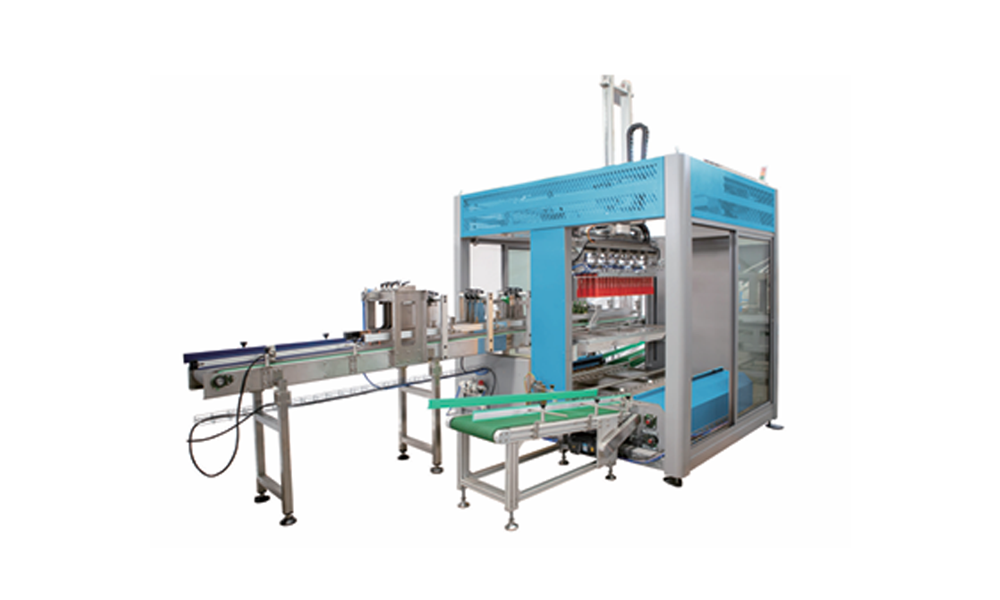
Personalized industry demands have driven the customized development of packaging lines. The food & beverage industry, which needs to accommodate multi-specification bottled and pouch products, often equips lines with drop-type or side-push case packers paired with high-speed carton sealers. These configurations incorporate low-temperature resistant materials and hygienic designs to ensure uninterrupted, safe production. The pharmaceutical industry, focusing on sterility and precision, adopts fully enclosed pick-and-place case packers and online weighing inspection equipment. These systems integrate with GMP standards and MES systems to achieve pollution-free, traceable pharmaceutical packaging. For fragile and irregular components in the electronics industry, spider robots (parallel robots) and customized fixtures are employed, along with flexible gripping and buffer filling technologies, to minimize product damage. Meanwhile, the daily chemical industry emphasizes multi-category mixed packaging capabilities, using servo control systems to quickly switch packaging parameters and adapt to different bottle and carton types—such as shampoo and laundry detergent containers—with ease.
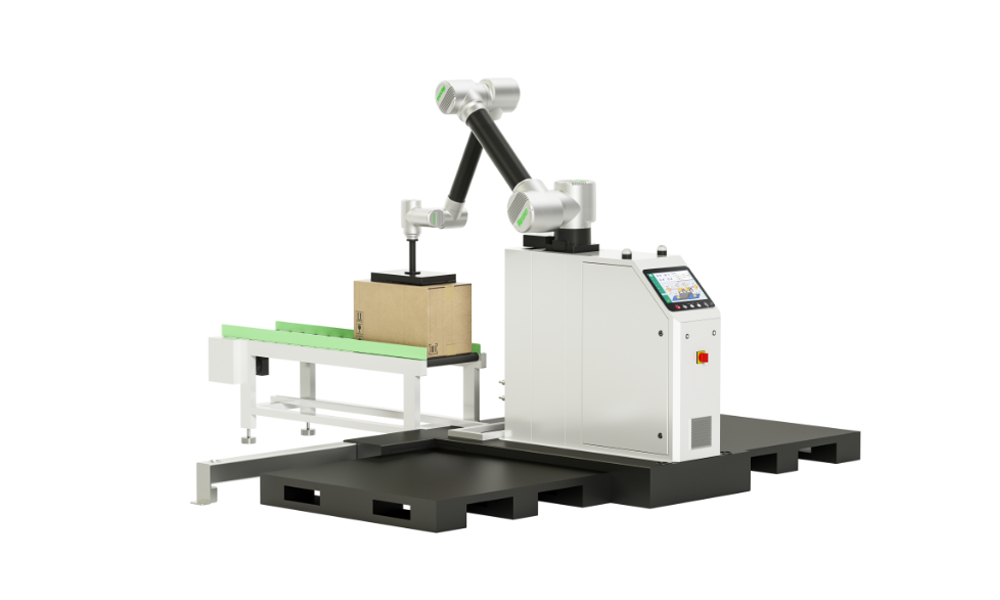
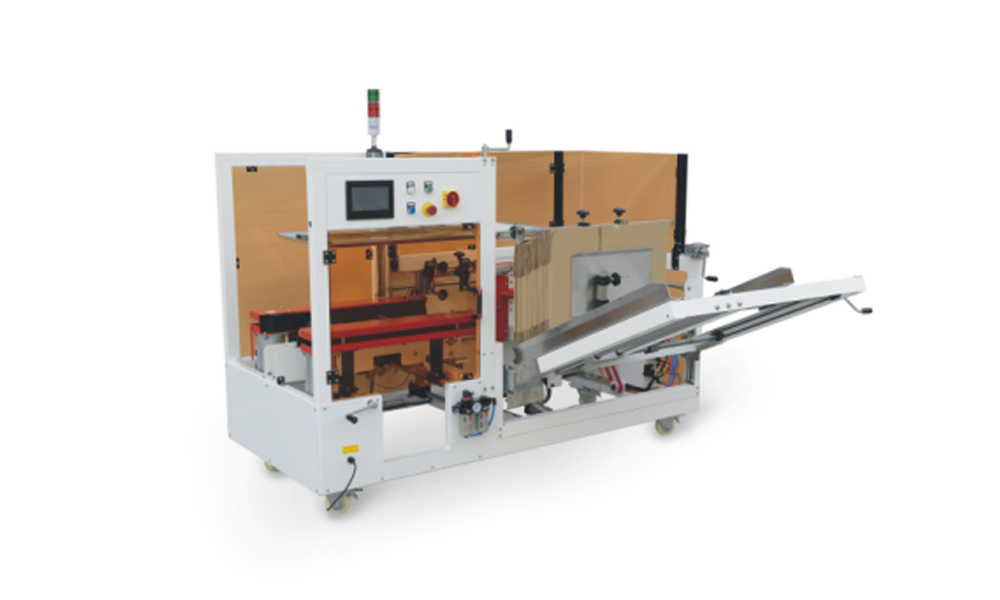
A mature automated post-packaging line forms a closed-loop operation through interconnected core equipment. At the front end, carton formers automatically unpack and seal carton bottoms, then conveyors connect to case packers (drop-type, pick-and-place, robotic, etc., selected based on product characteristics) for precise product loading. In the middle section, carton sealers complete sealing using adhesive tape or hot melt glue, while labelers print traceability information. At the back end, palletizing robots stack packed cartons onto pallets in preset patterns, which are then secured by stretch wrapping machines—eliminating the need for manual intervention throughout the entire process. Key technical enablers include PLC programmable control, visual positioning and inspection systems, and servo drive technology. These ensure seamless coordination between all equipment and support parameter adjustments to accommodate multi-specification product production.
In the future, automated post-packaging lines will evolve toward greater intelligence, flexibility, and sustainability. AI-powered visual inspection technology will enable real-time identification and automatic rejection of packaging defects, while the integration of 5G and industrial internet will make remote monitoring and fault early warning standard practices. Modular design will cater to small-batch, multi-batch production needs, allowing for rapid production line reconfiguration. The adoption of energy-saving motors, degradable packaging materials, and energy optimization algorithms will reduce both equipment operating costs and environmental impact. For manufacturing enterprises, adopting automated post-packaging lines is no longer a "choice" but a "must" to enhance core competitiveness and respond to rapid market changes. Beyond being an innovation in production processes, these lines serve as a key hallmark of enterprises' digital transformation journeys.


 English