

This document outlines the key technical distinctions, operational parameters, and selection criteria between Case Formers and Case Erectors. The primary objective is to provide a clear framework for selecting the appropriate box-forming automation solution based on production volume, automation goals, and operational constraints.
1.The initial stage of a packaging line—transforming flat corrugated blanks into three-dimensional boxes—is critical for overall efficiency. Two principal machine categories address this need: Case Formers and Case Erectors. This guide provides a comparative analysis to inform capital investment and line integration decisions.
2. Equipment Definitions & Core Functionality
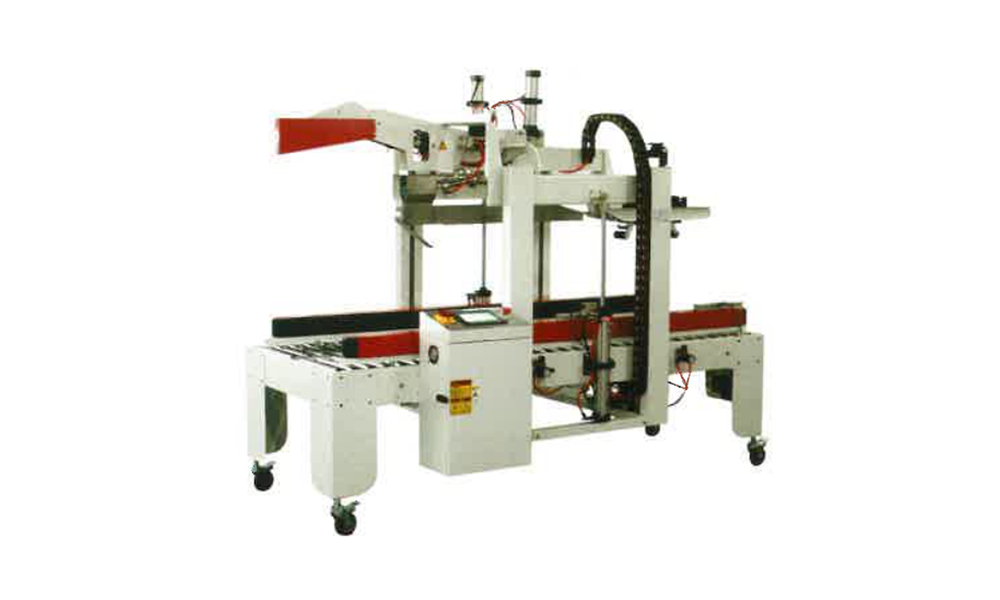
A Case Former is a semi-automated machine designed to fold and partially form a box from a pre-scored, flat blank, producing an open-top container ready for loading.
Primary Characteristics:
• Automation Level: Semi-Automatic.
• Core Function: Precision folding along creases to form a consistent box structure.
• Operation: Typically requires an operator to feed individual blanks.
• Integration: Often paired downstream with a case sealer to create a "form, pack, and seal" station.
• Key Attribute: Offers simplicity, flexibility for size changes, and a lower initial investment.
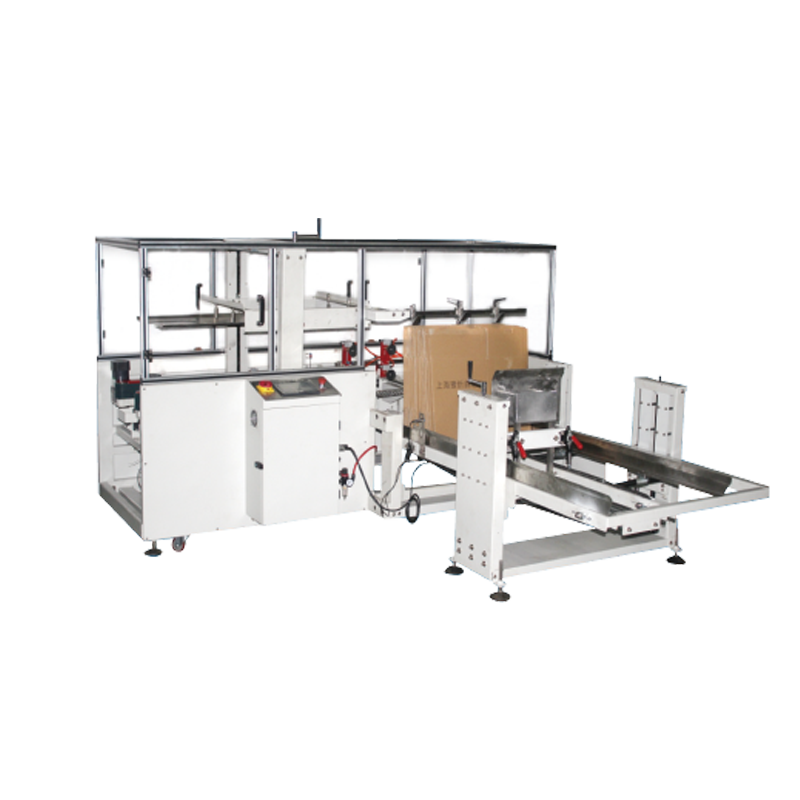
A Case Erector is a fully automated system that performs the complete process of forming, squaring, and sealing the bottom of a box (with tape or adhesive) without manual intervention.
Primary Characteristics:
• Automation Level: Fully Automatic.
• Core Function: Integrated forming, squaring, and bottom flap sealing.
• Operation: Utilizes a pre-loaded magazine for continuous, unattended operation.
• Integration: Designed for seamless integration into high-speed, automated lines with upstream/downstream equipment.
• Key Attribute: Delivers high throughput, maximizes labor savings, and is suited for continuous production flow.
The optimal choice depends on a thorough analysis of current and projected operational needs.
A Case Former is the recommended solution when one or more of the following conditions apply:
• Production volumes are moderate or variable.
• The product or box size mix is high, requiring frequent changeovers.
• Capital budget is constrained, seeking a cost-effective productivity improvement.
• Labor is available and the goal is incremental automation rather than full line automation.
• The operation uses a batch process rather than a continuous line.
3.2 When to Select a Case Erector
A Case Erector is the strategic investment when the following drivers are present:
• High, consistent daily volumes mandate maximum throughput.
• Labor costs are high, and reducing direct operational labor is a priority.
• Box specifications are relatively stable (low mix).
• The strategic goal is a fully integrated, automated packaging line.
• The total cost of ownership (TCO) and return on investment (ROI) justify the higher initial CAPEX.
4. Conclusion
The decision between a Case Former and a Case Erector is not merely a choice of machinery but a strategic decision regarding production philosophy. Case Formers provide an efficient, flexible entry point into automation. Case Erectors represent a commitment to high-speed, lean, and labor-optimized production. A detailed analysis of throughput requirements, product profile, budget, and long-term operational goals is essential for making the correct selection.
Ready to enhance your packaging line? Contact us today to explore our selection of case formers and case erectors, and discover how we can help your business achieve greater productivity and efficiency.


 English