

In the high-speed operation of modern industrial production, the packaging process, as the final key procedure before products enter the market, its efficiency and quality directly affect the competitiveness of enterprises. The traditional manual boxing method not only faces many problems such as high labor costs, high labor intensity, low efficiency, and prone to human errors, but also seems increasingly inadequate in the face of the growing demand for large-scale production. With the rapid development of science and technology, boxing robots have emerged. As an excellent application of automation technology in the packaging field, they are gradually subverting the traditional boxing mode and bringing unprecedented changes to the packaging industry. Boxing robots integrate frontier technologies of multiple disciplines such as mechanical engineering, electronic technology, computer science, and artificial intelligence. Like an tireless, precise, and efficient "intelligent worker", they can quickly and accurately complete the product boxing tasks in various complex production environments. They not only greatly improve the boxing efficiency and reduce the operating costs of enterprises, but also significantly enhance the quality and consistency of boxing, effectively reducing the loss of products in the packaging process. Nowadays, boxing robots have been widely used in many industries such as food, medicine, daily chemicals, electronics, and logistics, becoming an important force promoting the process of industrial automation. This article will deeply explore the technical mysteries, diverse application scenarios, significant advantages, and future development trends of boxing robots, bringing you a comprehensive understanding of the charm of this intelligent equipment.
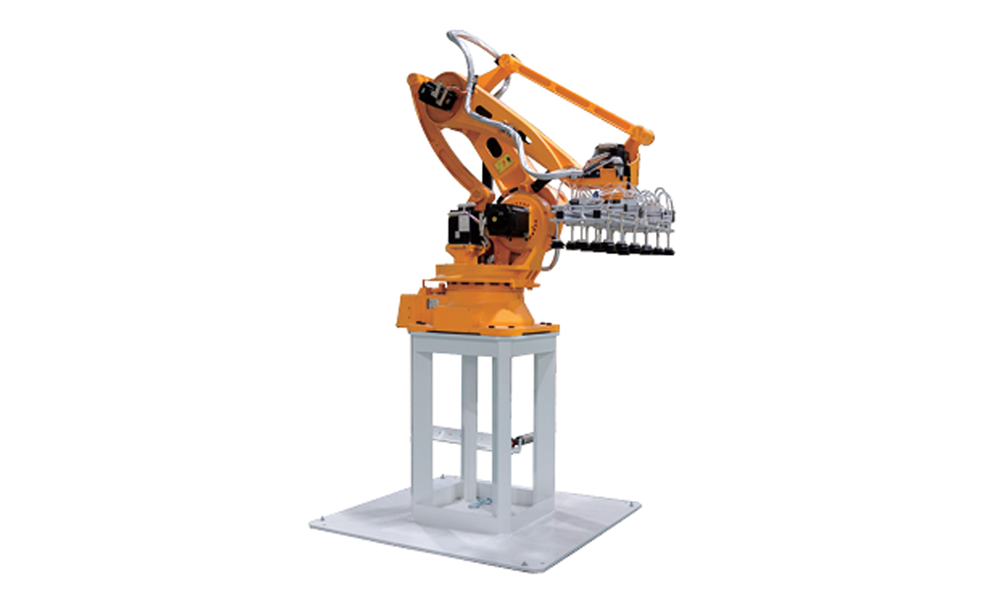
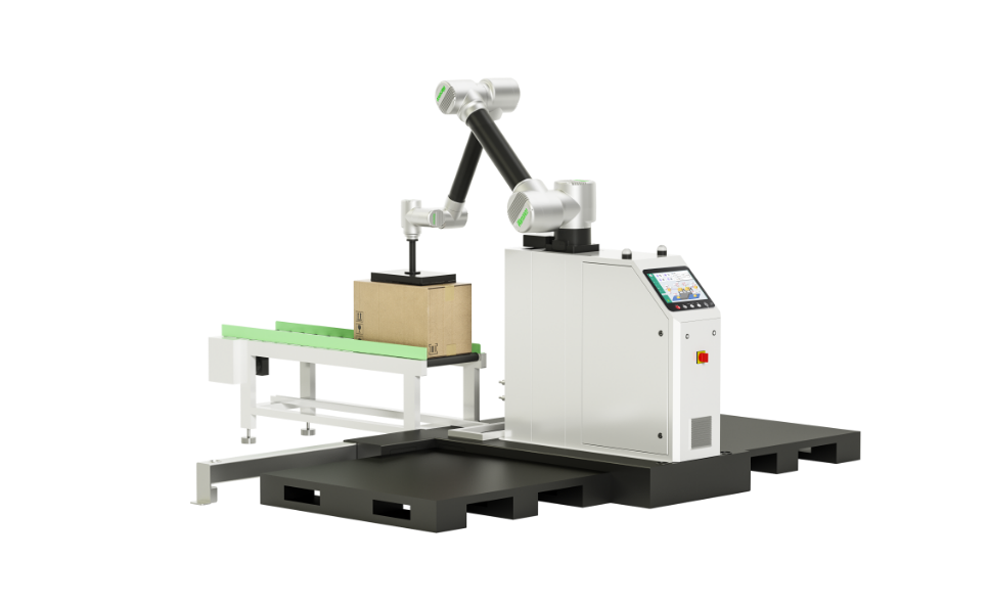
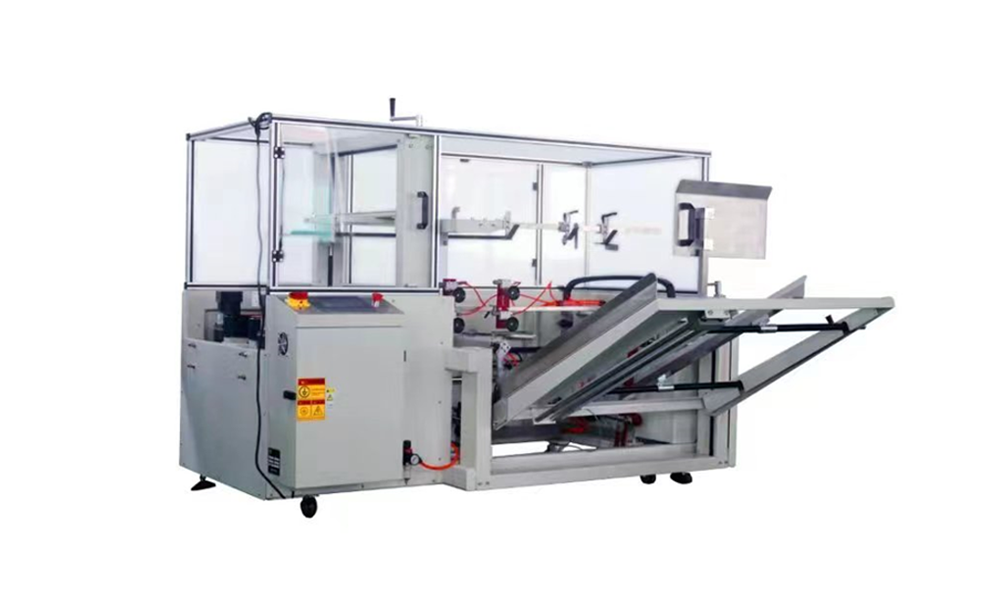
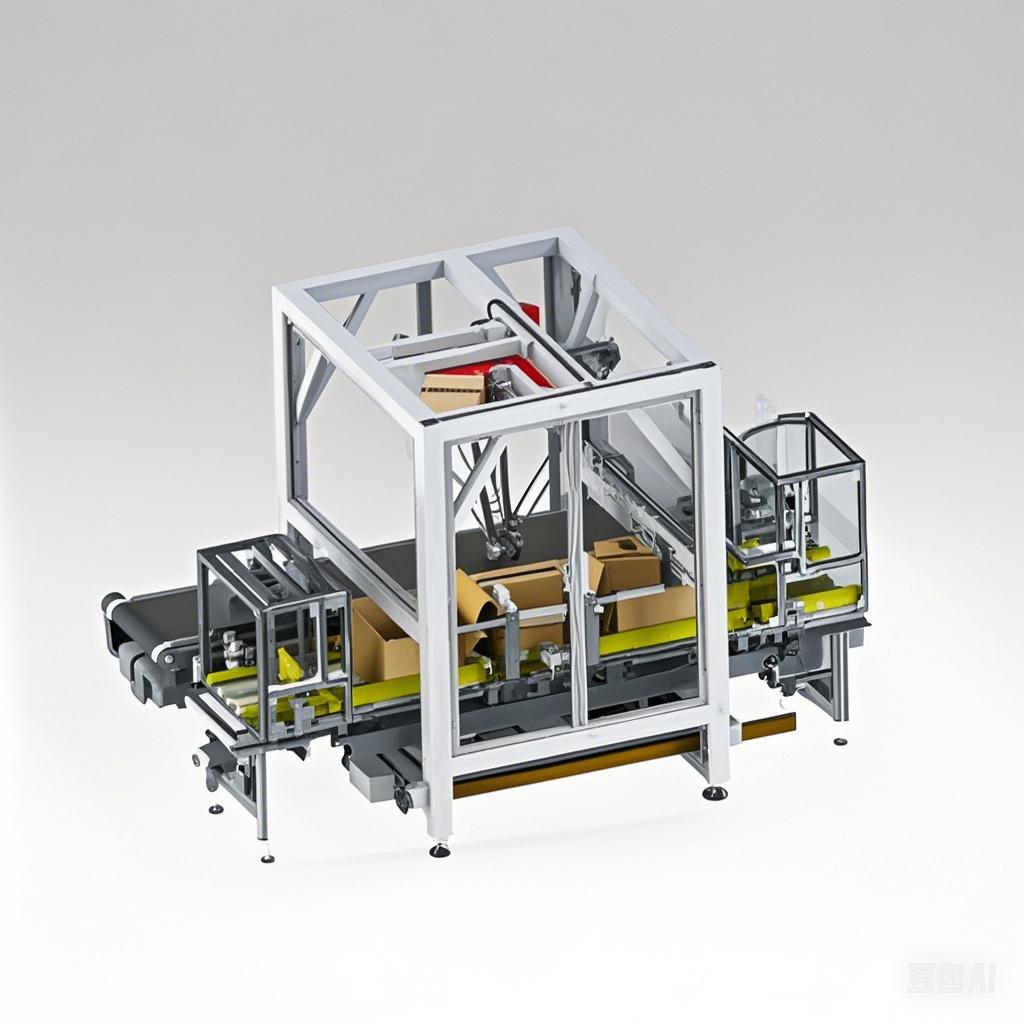
The mechanical structure of a boxing robot is like its solid "skeleton", which is the basis for achieving efficient boxing operations. Common boxing palletizer equipment mostly adopt parallel robot structures or articulated robot structures.
• Parallel Robot Structure: Represented by Delta robots, it consists of a fixed platform, a moving platform, and multiple parallel kinematic chains connecting them. This structure has the characteristics of high speed, high precision, and high rigidity. In the boxing process, Delta robots can rely on their lightweight and flexible mechanical arms to move quickly in the working space, accurately grasp products and place them into packaging boxes. For example, in the potato chip packaging line of the food industry, Delta robots can quickly and neatly pack bagged potato chips into cartons, with an action beat of dozens of times per minute or even higher, greatly improving the boxing efficiency. At the same time, due to the good rigidity of its mechanical structure, it can remain stable during high-speed movement, ensuring the accuracy of grasping and placing products, and effectively avoiding product collision and damage.
• Articulated Robot Structure: Usually connected by multiple rotating joints, similar to a human arm, it has high flexibility and a large working space. This type of robot can realize complex trajectory planning through the coordinated movement of different joints, adapting to the boxing needs of products of various shapes and sizes. In the boxing operations of electronic and electrical products, articulated robots can easily handle the grasping and boxing tasks of products such as circuit boards and components of different specifications. It can flexibly adjust the movement path of the mechanical arm according to the position and posture of the product, and accurately place the product in the designated position of the packaging box, showing excellent flexibility and adaptability.
To enable the mechanical structure to move accurately according to the predetermined trajectory and speed, boxing robots are equipped with advanced drive and transmission systems.
• Drive System: Servo motors are mainly used as the power source. Servo motors have the advantages of fast response speed, high control precision, and stable torque. Through the precise pulse signals sent by the controller, the servo motor can quickly and accurately adjust the rotation speed and angle, thereby realizing high-speed and high-precision motion control of the mechanical arm. In the boxing process, when the robot needs to quickly grasp and place products, the servo motor can reach the set speed in a very short time, making the mechanical arm move to the target position quickly and stop immediately after reaching the position, ensuring the accuracy of grasping and placing actions. For example, in the medicine box boxing operation in the pharmaceutical industry, the mechanical arm driven by the servo motor can neatly stack the medicine boxes in the packaging box with extremely high precision, meeting the strict requirements of pharmaceutical packaging for precision.
• Transmission System: Common transmission methods include gear transmission, synchronous belt transmission, and ball screw transmission. Gear transmission has the advantages of high transmission efficiency, compact structure, and large transmission torque, and is often used in joint parts that require large torque output; synchronous belt transmission has the characteristics of stable transmission, low noise, and relatively low cost, and is suitable for transmission links with high requirements for motion precision and small load; ball screw transmission can convert rotary motion into linear motion or linear motion into rotary motion, with high precision, high rigidity, and high efficiency, and is often used to realize the linear motion of the mechanical arm. These transmission methods cooperate with each other to efficiently and accurately transmit the power of the servo motor to various parts of the mechanical structure, ensuring that the robot can operate stably and reliably.
The intelligent control system is the "brain" of the boxing robot, responsible for commanding the robot to complete various complex boxing tasks. It mainly includes hardware control system and software control system.
• Hardware Control System: It takes industrial controllers as the core, such as programmable logic controllers (PLC) and motion controllers. These controllers obtain real-time information such as the robot's motion state, product position, and posture through various sensors, and issue control commands to the servo motors and other actuators according to preset programs and algorithms to achieve precise control of the robot's motion. For example, through encoders installed at the joints of the mechanical arm, the rotation angle and speed of the joints can be monitored in real-time, and this information can be fed back to the controller. The controller adjusts the output of the servo motor according to the feedback information to ensure that the mechanical arm moves according to the predetermined trajectory. At the same time, pressure sensors, vision sensors, etc. can also be used to obtain product-related information, further improving the operation accuracy and reliability of the robot.
• Software Control System: It is the key to realizing the intelligent operation of the robot. It includes functional modules such as robot motion planning algorithm, task scheduling algorithm, and human-computer interaction interface. The robot motion planning algorithm can quickly generate the optimal motion trajectory according to the product's position, posture, and the size and position of the packaging box, enabling the robot to complete the grasping and boxing tasks in the shortest time and with the most reasonable path. The task scheduling algorithm can reasonably arrange the robot's work tasks according to the product flow and boxing demand on the production line, improving production efficiency. The human-computer interaction interface provides an intuitive and convenient operation platform for operators. Operators can set parameters, issue tasks, monitor the status of the robot through the touch screen or console, and at the same time, can view the robot's operation data and fault information in real-time, facilitating timely maintenance and adjustment.
In the boxing process, accurately identifying the position, posture, and type of products is the key to ensuring the quality and efficiency of boxing. Visual recognition and positioning technology endow boxing robots with "insight", enabling them to quickly and accurately perceive surrounding environmental information.
• Visual Recognition System: It mainly consists of industrial cameras, lenses, light sources, and image processing software. Industrial cameras collect image information of products and packaging boxes through lenses and transmit them to image processing software. The image processing software uses advanced image recognition algorithms to analyze and process the collected images, identify the shape, size, color, and other characteristics of the product, as well as the position and posture information of the product on the conveyor belt. For example, in the biscuit boxing operation in the food industry, the visual recognition system can quickly and accurately identify biscuits of different shapes and flavors, and plan the best grasping path for the robot according to their position and posture information.
• Positioning Technology: Combined with the information obtained by the visual recognition system, the position coordinates of products and packaging boxes in three-dimensional space are accurately calculated through coordinate system conversion and spatial positioning algorithms. The robot adjusts the motion trajectory of the mechanical arm according to these coordinate information to realize accurate grasping and placement of products. At the same time, visual recognition and positioning technology can also conduct quality inspection on products, such as detecting whether products are defective and whether packaging is intact, to ensure that the products entering the packaging box meet quality standards. For example, in the boxing process of electronic products, the vision system can detect whether the pins of electronic components are bent and whether the welding is firm, and timely reject unqualified products to ensure product quality.
The food and beverage industry, as an industry with a wide variety of products and large production scales, has extremely high requirements for boxing efficiency and hygiene standards. Boxing robots have been widely used in this industry.
• Bottled Beverage Boxing: In the production lines of bottled water, carbonated drinks, fruit juices, and other bottled beverages, boxing robots can quickly and accurately grasp bottles of different specifications and neatly pack them into cartons or plastic turnover boxes according to the preset arrangement. For example, in a large bottled water production enterprise, the boxing robot can grasp and pack dozens of 500ml bottled water per minute, greatly improving the boxing efficiency. At the same time, the robot's operation avoids manual contact with products, ensuring the hygiene and safety of products.
• Bagged Food Boxing: Boxing robots also perform well for bagged foods such as potato chips, instant noodles, and candies. Taking the potato chip packaging line as an example, the robot identifies the position and posture of bagged potato chips through the vision system, gently grasps the potato chip bags with a specially made gripper, and neatly stacks them in the packaging box. Due to the soft texture of bagged food, which is easy to be squeezed and deformed, the boxing robot can accurately control the grasping force, effectively avoiding product damage and ensuring the appearance and quality of products.
• Food Canning Boxing: Food cans usually have heavy weight and regular shape, and boxing robots can easily handle them. In the can production line, robots can quickly grasp cans and tightly pack them into packaging boxes according to a certain arrangement, improving the density and stability of boxing, and facilitating product transportation and storage.
The pharmaceutical and health care industry has extremely strict requirements for product packaging quality and hygiene. The application of boxing robots has brought many advantages to this industry.
• Medicine Box Boxing: In pharmaceutical production enterprises, various specifications of medicine boxes need to be quickly and accurately packed into packaging boxes. The boxing robot can quickly distinguish different types and specifications of medicine boxes through the visual recognition system, and plan the optimal boxing scheme according to the size and boxing requirements of the packaging box. The high-precision operation of the robot ensures the integrity of the medicine box during the boxing process, avoids damage to the medicine box and wear of the label, and also ensures the quality and safety of the medicine.
• Medicine Bottle Boxing: For bottled medicines, the boxing robot can accurately grasp the medicine bottles and pack them into packaging boxes according to the specified quantity and arrangement. During the grasping process, the robot can adjust the grasping force according to the material and weight of the medicine bottle to prevent the medicine bottle from breaking or falling. In addition, the boxing robot can also work in coordination with other equipment on the production line to realize the fully automated process from production to packaging of medicines, improving production efficiency and reducing the impact of human factors on drug quality.
• Health Product Boxing: Health products have various packaging forms, including bottled, boxed, and bagged. Boxing robots can flexibly adapt to different packaging forms and carry out personalized boxing operations according to product characteristics and boxing requirements. For example, in a health product production enterprise, the boxing robot can accurately pack health products in soft capsule bottles of different specifications, supporting instructions, gifts, etc. into packaging boxes, and then neatly pack the packaging boxes into large packaging boxes, realizing efficient and precise boxing operations.
The daily chemical and cosmetics industry has a wide range of products and exquisite packaging, and has high requirements for boxing efficiency and appearance quality. The application of boxing robots in this industry has effectively improved the overall level of the packaging production line.
• Cosmetic Bottle Boxing: Cosmetic bottles usually have various shapes and materials, such as glass bottles and plastic bottles, and their surfaces are often exquisitely decorated. Through advanced visual recognition and positioning technology, the boxing robot can accurately identify cosmetic bottles of different shapes and sizes, and select appropriate grasping methods and boxing arrangements according to their characteristics. For example, for slender lipstick tubes, the robot can use a specially made clamping gripper to accurately grasp and neatly arrange them in the packaging box; for uniquely shaped perfume glass bottles, the robot can gently grasp and place them through a vacuum suction cup gripper to avoid scratching and damaging the bottle surface, ensuring the appearance quality of the product.
• Toiletries Boxing: Toothpaste, toothbrushes, shampoo, body wash, and other toiletries are common products in the daily chemical and cosmetics industry. Boxing robots can classify, sort, and pack these toiletries according to product packaging specifications and boxing requirements. In the production line of a large daily chemical enterprise, the boxing robot can quickly grasp different brands and specifications of toothpaste and toothbrushes, pack them into packaging boxes according to a certain combination, and then neatly pack the packaging boxes into large packaging boxes, realizing efficient and orderly boxing operations.
• Cosmetics Product Boxing: Cosmetics products such as eye shadow palettes, blush palettes, and lipstick sets are usually exquisitely packaged, and have high requirements for the arrangement and appearance of boxing. Boxing robots can carry out creative boxing designs according to the characteristics of cosmetic products, arranging products in packaging boxes in a beautiful and neat way, improving the overall image and market competitiveness of products. At the same time, the high-precision operation of the robot ensures the safety of cosmetic products during the boxing process and avoids product collision and damage.
The electronic and electrical industry has a fast product update cycle, tense production rhythm, and extremely high requirements for boxing efficiency and accuracy. The application of boxing robots in this industry has played an important role in improving production efficiency and reducing costs for enterprises.
• Electronic Product Component Boxing: In electronic component production enterprises, various tiny electronic components such as resistors, capacitors, and chips need to be quickly and accurately packed into packaging boxes or trays. The boxing robot is equipped with a high-precision visual recognition system and a micro-part grasping device, which can accurately identify the position and posture of electronic components under a microscope, and grasp and place them into designated packaging containers with extremely high precision. For example, in a chip manufacturing enterprise, the boxing robot can quickly and accurately pack the produced chips into chip carriers according to the specified quantity and arrangement, preparing for the subsequent packaging and testing processes.
• Small Electronic Product Boxing: For small electronic products such as mobile phones, tablet computers, and headphones, boxing robots can select appropriate grasping and boxing methods according to the product's size, shape, and weight. In the mobile phone production line, the robot can quickly grasp the assembled mobile phone and accurately pack it into the mobile phone packaging box together with accessories (such as chargers, data cables, headphones, etc.), and then neatly pack the packaging box into a large packaging box. The efficient operation of the robot has greatly shortened the product boxing time, improved production efficiency, and met the fast-paced production needs of the electronic and electrical industry.
• Large Electrical Product Boxing: For large electrical products such as refrigerators, washing machines, and air conditioners, boxing robots can also play an important role. In the packaging workshop of large electrical production enterprises, robots can use specially made large grippers to carry heavy electrical products from the production line to the packaging box, and carry out fixing and protection treatment. For example, in the refrigerator production line, the boxing robot can accurately pack different models of refrigerators into packaging boxes of corresponding sizes, and then add protective materials such as foam boards and plastic films into the packaging boxes to ensure the safety of the refrigerator during transportation. The application of robots not only improves the boxing efficiency of large electrical products but also reduces the labor intensity of workers and reduces the risk of product damage caused by manual handling.
In the logistics and warehousing industry, boxing robots are mainly used in the sorting and boxing links of goods, providing strong support for improving logistics distribution efficiency.
• E-commerce Package Sorting and Boxing: With the rapid development of e-commerce, the number of e-commerce packages has increased explosively. In e-commerce warehouses, boxing robots can quickly identify barcodes or QR codes on packages through visual recognition systems, obtain package information (such as recipient address, weight, size, etc.), and sort and pack packages into different packaging boxes according to this information. For example, in the warehouse of a large e-commerce platform, the boxing robot can process dozens of packages per minute, greatly improving the efficiency of package sorting and boxing, and ensuring that orders can be delivered in a timely and accurate manner.
• Cargo Pallet Boxing: In logistics and warehousing centers, a large number of goods need to be transported and packed onto pallets for storage and transportation. Boxing robots can reasonably stack goods on pallets according to the size, weight of goods, and pallet specifications to realize efficient storage and transportation of goods. Robots optimize the palletizing scheme through advanced algorithms, improve the space utilization rate of pallets, and reduce the risk of goods damage during transportation. At the same time, robots can also work in coordination with logistics equipment such as automated guided vehicles (AGV) to realize the automated handling and boxing process of goods from the warehouse to the transport vehicle, improving the overall operation efficiency of logistics and warehousing.</


 English