

.jpg "ABUIABACGAAguaOC7AUo6obR6wIw2AQ44AM_(1).jpg")
Amid the wave of industrial automation transformation, intelligent packaging lines have become a key investment for enterprises to enhance production efficiency and optimize operational costs. However, not all packaging lines can adapt to enterprises' actual needs—problems such as incorrect equipment model selection, neglect of production scenario adaptability, and non-standard implementation processes often lead to low equipment utilization and unmet return on investment expectations. From a practical perspective of enterprises, this article breaks down the core indicators for intelligent packaging line selection, implementation processes, common problems, and optimization solutions, helping enterprises accurately match their needs and efficiently complete automated upgrades.
The core logic of selection is "production scenario-oriented, balancing efficiency, flexibility, and cost," with five key indicators to focus on:
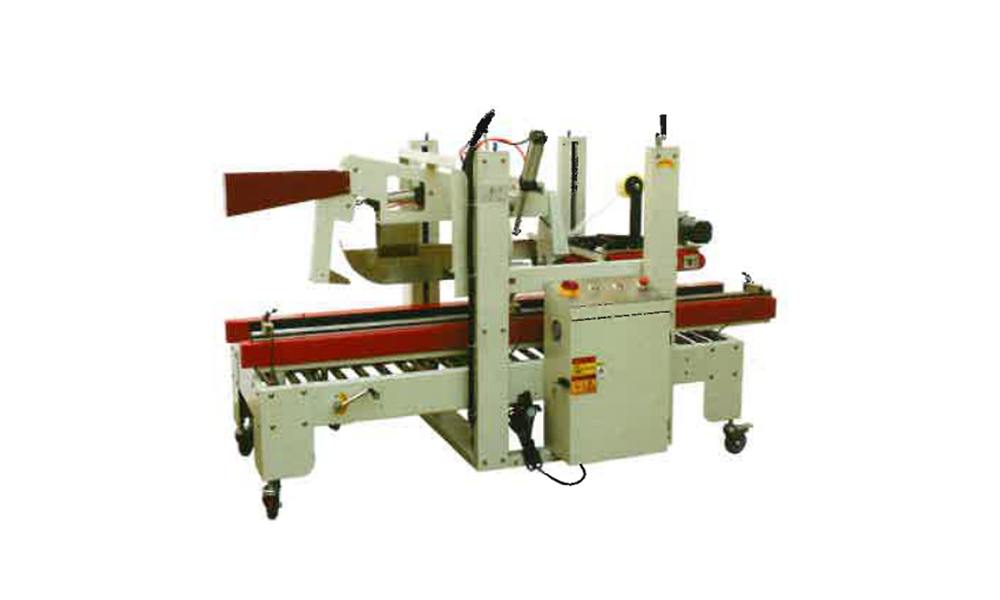
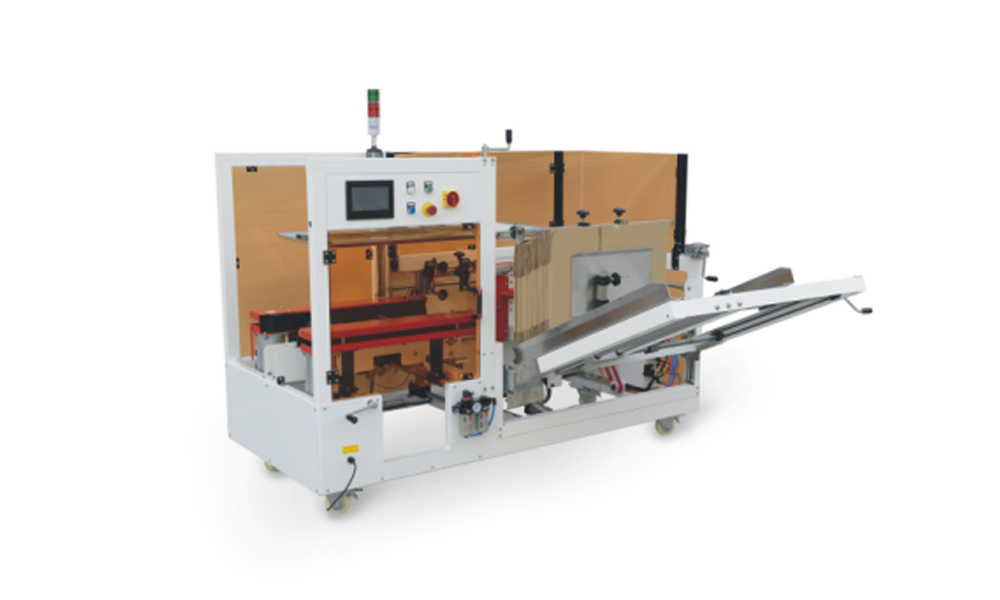
1.Capacity Adaptability: Determine the equipment speed level based on the enterprise's daily/hourly cartoning volume—small and medium-capacity enterprises (200-500 boxes per hour) can choose standard packaging lines with simple core equipment configurations to control initial investment; medium and high-capacity enterprises (500-1500 boxes per hour) need to configure high-speed equipment, prioritizing production lines driven by servo motors and modular design to ensure long-term stable operation; enterprises engaged in customized small-batch production should focus on "flexibility first," selecting intelligent packaging lines with switching time ≤ 5 minutes and support for multi-specification products.
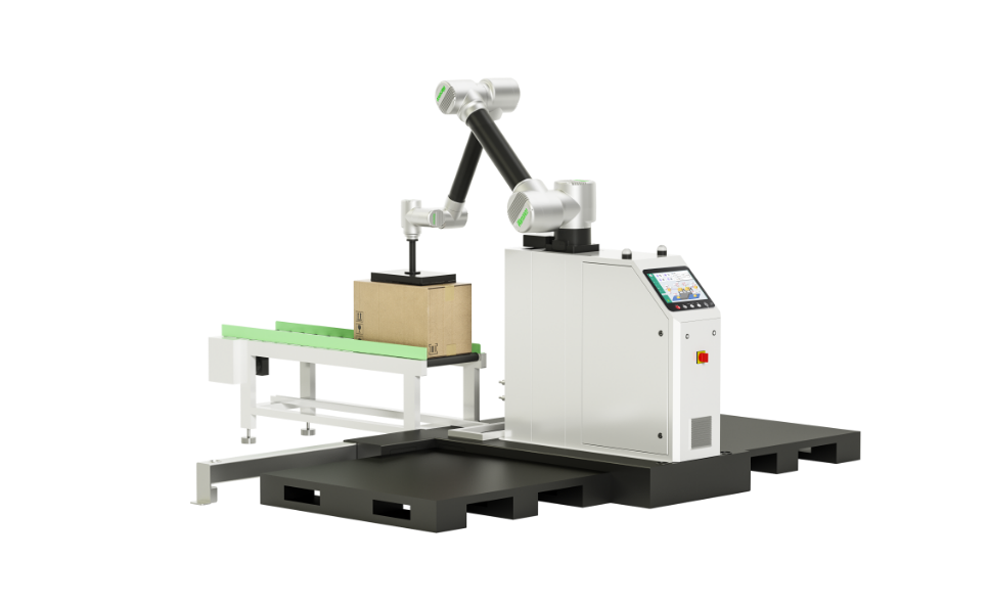
2.Product Adaptation Range: Choose corresponding equipment based on product forms—for standardized regular products (such as bottled and boxed products), grasping-type cartoning devices can be used for lower cost and higher efficiency; for irregular products (such as special-shaped small household appliances and fragile items), multi-degree-of-freedom robotic arms + customized fixtures should be matched with visual positioning systems to improve grasping accuracy; industries such as pharmaceuticals and food need to pay attention to equipment cleanliness levels (e.g., pharmaceutical industry needs to comply with GMP standards), material safety (food-contact-grade stainless steel), and anti-pollution design.
3.Automation Integration Level: Select configurations according to the enterprise's digitalization level—for basic automation needs, the core modules of "cartoning + sealing + labeling" can be chosen to meet basic production processes; for advanced needs, visual inspection (such as missing parts detection and packaging integrity verification) and data acquisition modules can be added to realize traceability of the production process; for high-level needs, equipment supporting MES (Manufacturing Execution System) docking can be selected to connect the data links of production planning, equipment operation, and inventory management, supporting lean production.
4.Energy Consumption and Operation & Maintenance Costs: In long-term operation, energy consumption and operation & maintenance costs account for a significant proportion—prioritize equipment equipped with energy-saving motors and frequency conversion control technology, which can reduce energy consumption by 15%-30%; pay attention to equipment maintainability, such as whether key components are easy to disassemble and whether fault early warning functions are provided to reduce downtime for maintenance; at the same time, calculate consumable costs (such as adhesive tape and hot melt adhesive) and select equipment with strong versatility and low loss rate of consumables.
5.Supplier Service Capability: Selection is not only about choosing equipment but also about selecting long-term partners—assess the supplier's technical strength (such as whether there are industry cases and whether customized solutions can be provided), after-sales response speed (such as whether 24/7 technical support is provided), training services (whether systematic training is provided for operators), and spare parts supply capacity to avoid production impacts due to lack of after-sales support.
The successful implementation of an intelligent packaging line must follow the full-process specification of "planning - installation - commissioning - training - operation & maintenance," with each step directly affecting the final effect:
1.Pre-Planning (1-2 weeks): Draw equipment layout diagrams combined with workshop layout and existing production processes, reserving equipment installation space, power interfaces, and logistics channels; clarify the connection method between the new equipment and the existing production line to avoid process breakpoints; at the same time, complete employee demand research to understand the core needs of operators for the equipment, preparing for subsequent training.
2.Installation and Commissioning (2-4 weeks): Professional teams from suppliers are responsible for equipment installation to ensure firm fixation of mechanical structures and standardized electrical connections; the commissioning phase requires step-by-step verification—first conduct single-machine commissioning (such as robotic arm grasping accuracy and sealing flatness), then conduct whole-line linkage commissioning, simulating actual production scenarios to test indicators such as capacity and error rate until preset standards are met.
3.Personnel Training (1-2 weeks): Training content should cover "operation + maintenance + emergency handling"—operators need to master basic operations such as equipment startup, parameter adjustment, and daily cleaning; maintenance personnel need to be familiar with the inspection process of key components and common fault troubleshooting methods; at the same time, formulate emergency plans, such as handling processes for sudden situations such as equipment shutdown and product jamming, to ensure production continuity.
4.Trial Operation and Optimization (1 month): Adopt a "gradual volume increase" mode during the trial operation phase, first operating at 50% capacity to observe equipment stability and product qualification rate; optimize parameters based on trial operation data, such as adjusting robotic arm grasping speed and sealing pressure; collect operator feedback to optimize operating processes until the equipment achieves full-load stable operation.
5.Long-Term Operation & Maintenance (Continuous): Establish equipment operation and maintenance accounts to record information such as operating time, fault conditions, and maintenance content; conduct regular equipment maintenance, such as lubricating key components and cleaning dust and impurities; cooperate with suppliers to upgrade and transform the equipment according to changes in production needs (such as product specification adjustments and capacity improvements) to extend equipment service life.
Enterprises often face various problems during selection and implementation; predicting and solving them in advance can greatly improve success rates:
Problem 1: Mismatch between equipment and products, resulting in unstable grasping and packaging damage: Solution—provide detailed product parameters (such as size, weight, and material) to suppliers for simulation tests before selection; if the equipment has been installed, request suppliers to replace customized fixtures or adjust grasping parameters to improve adaptability.
Problem 2: Unmet expected capacity after installation: Solution—investigate whether there are process bottlenecks (such as insufficient speed of the previous conveyor line or delayed carton supply); verify whether equipment parameters match capacity requirements, and upgrade the equipment if necessary (such as increasing the number of robotic arms or optimizing control programs).
Problem 3: Operators have a slow learning curve, affecting production efficiency: Solution—optimize training methods by adopting a combination of "theory + practical operation" with supporting materials such as video tutorials and operation manuals; arrange technical personnel for on-site guidance to promptly address operators' questions; establish a "mentor-mentee" mechanism to accelerate skill transfer.
Problem 4: Excessively high energy consumption during equipment operation: Solution—adjust equipment operating parameters, such as reducing operating speed during low-capacity periods; check whether the equipment has mechanical jams, electrical faults, or other issues and repair them promptly; replace energy-saving consumables, such as using low-resistance adhesive tape and high-efficiency hot melt adhesive.
The selection and implementation of intelligent packaging lines is an important step for enterprises to transform from "traditional production" to "intelligent production," with the core lying in "accurately matching needs, standardizing implementation processes, and valuing long-term operation & maintenance." Enterprises do not need to blindly pursue "high configuration and high speed" but should select appropriate solutions based on their own capacity scale, product characteristics, and digitalization level. Through scientific selection and standardized implementation, intelligent packaging lines can truly become a "tool" for reducing costs and improving efficiency, helping enterprises gain advantages in market competition.
With the continuous development of industrial intelligence, the technological iteration speed of packaging lines is accelerating. Enterprises need to keep abreast of new technologies and solutions in long-term operation, dynamically optimize equipment configurations in combination with production needs, and achieve continuous cost reduction and efficiency improvement.


 English