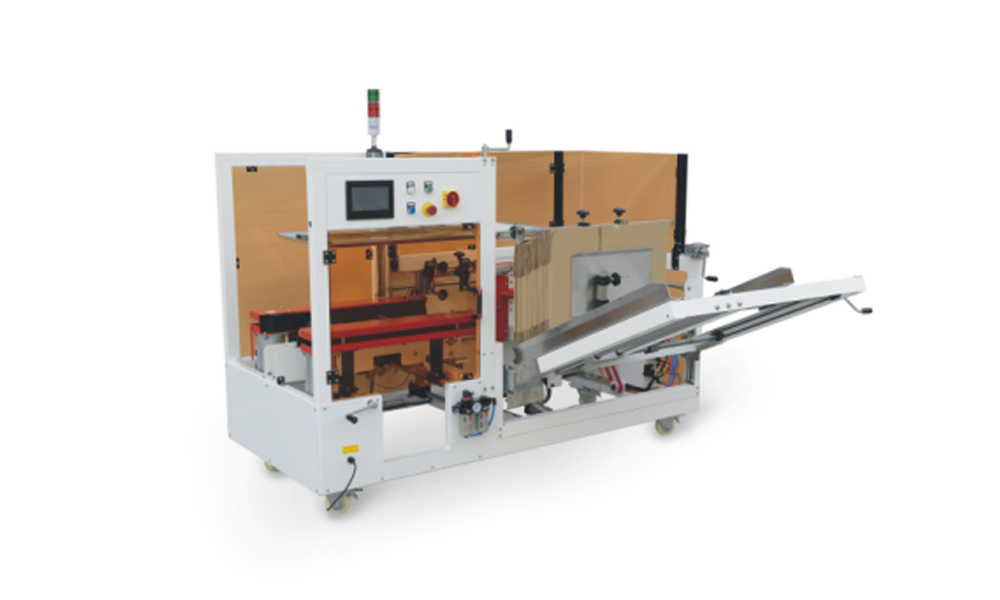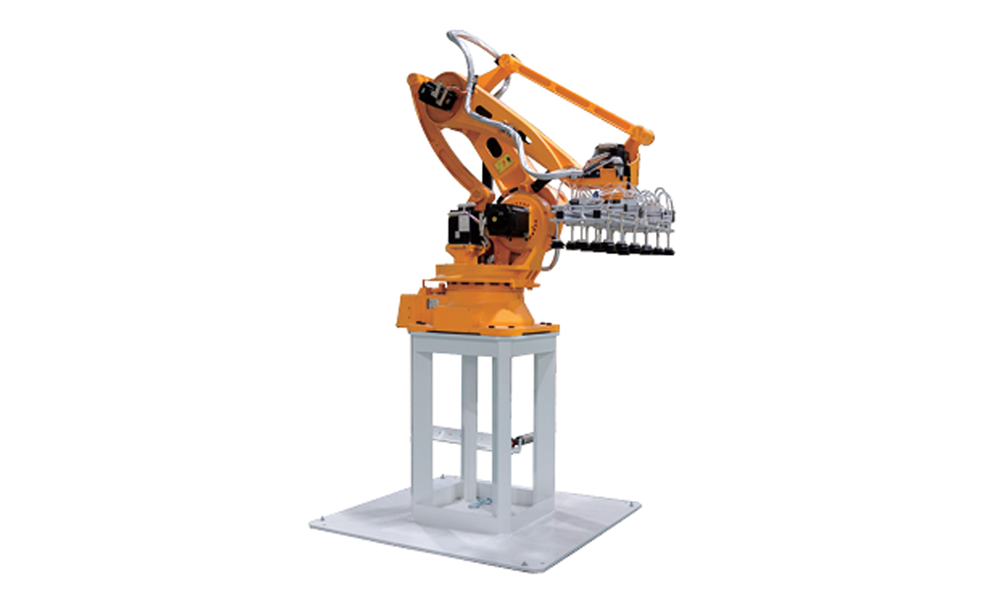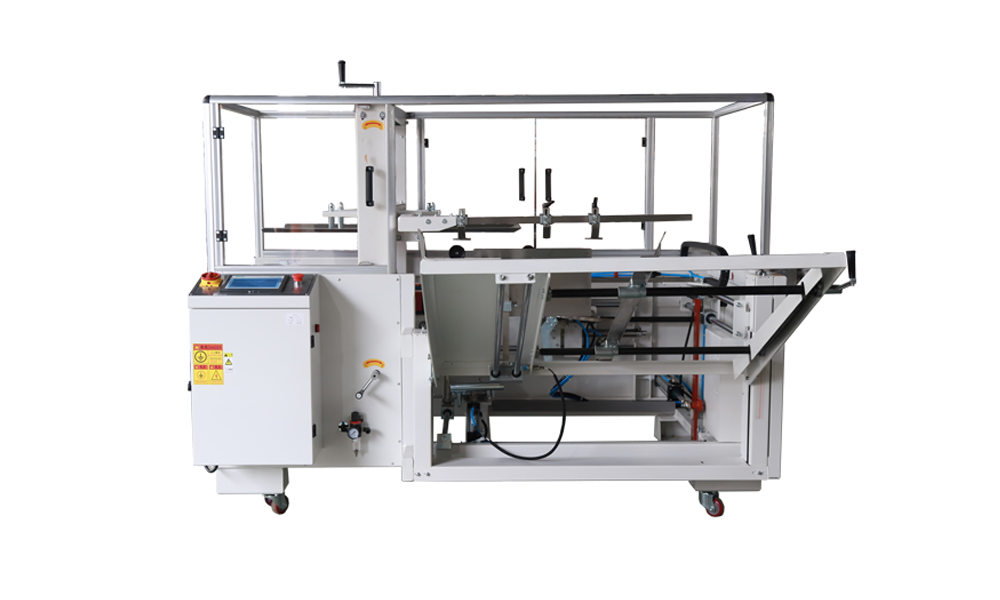


In high-throughput lines, the slowest station sets the pace — and carton forming is often the hidden bottleneck. A modern case erector automates the forming and sealing of corrugated cases so pack-out lines can run continuously with fewer stoppages and less labor dependency. This guide explains how high-speed case erectors work, what features protect uptime, and what to verify when sourcing a reliable case erector China solution for scalable production.
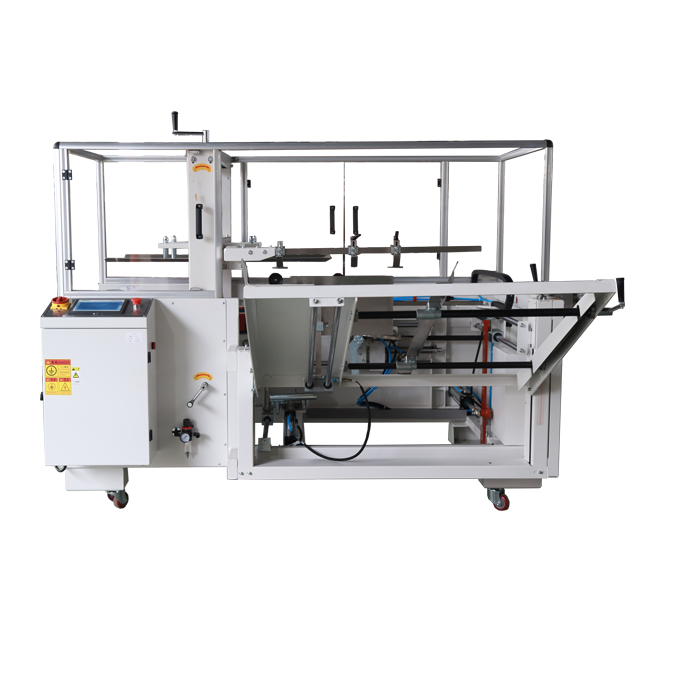
Most end-of-line managers focus on packer speed and palletizer throughput. The case erector station is often overlooked until it starts stopping the line.
| Symptom | Root Cause | Downstream Effect |
|---|---|---|
| Upstream product accumulating | Case erector cannot keep pace with the filler or packer | Filler backs up; production rate drops |
| Frequent line stoppages | Mis-picks, jams, or tape failures interrupt the erector | Every erector stop propagates upstream and downstream |
| Labor at the case station | Operator manually opening and setting up cases | Labor cost; inconsistency; fatigue-related quality variation |
| Weak or malformed cases | Manual forming inconsistency | Cases that fail in the palletizer or during shipping |
A single operator hand-erecting cases on a moderately fast line (30–50 cases per minute) is physically demanding and inconsistent. The average operator sustains 15–20 CPM by hand. At 30 CPM line speed, the carton station needs two operators — and their output still varies by time of day, fatigue, and material quality. Automating this station removes the speed ceiling and eliminates the variability.
| Stage | What Happens | Key Mechanism |
|---|---|---|
| Magazine feed | Flat corrugated blanks loaded into the magazine; machine pulls one blank at a time | Servo or pneumatic feed mechanism; low-case detection sensor |
| Vacuum pick-up | Vacuum cups attach to the face panel of the flat blank and pull it from the magazine | Vacuum generator; multi-cup array for reliable grip across case sizes |
| Case opening | The blank is pulled open against a forming mandrel or opening guide | Precise guide geometry; consistent opening force |
| Squaring | Opened case is driven into a squaring station that aligns all four walls to 90° | Mechanical squaring guides; critical for downstream packing and sealing |
| Bottom sealing | Bottom flaps folded and sealed by tape or hot melt adhesive | Tape head or glue gun; defined fold sequence and sealing pressure |
| Transfer to outfeed | Squared, sealed case transferred to the outfeed conveyor | Timed conveyor; case detection confirms successful transfer |
Stable vacuum system with consistent cup contact across the case size range
Fast servo-driven movements that reduce dead time between cycles
Reliable bottom flap folding — the most common source of jam events on high-speed machines
Sealed cases with consistent strength — a weak seal at high speed creates downstream failures that stop the palletizer
Cases per minute (CPM) at rated speed and at your specific case size
Changeover time between smallest and largest case in your range
Time to clear a jam and return to production — measured, not estimated
A case erector/products/case-erector/ running at 30 CPM processes 1,800 cases per hour. A single 3-minute jam costs 90 cases of production. Jam prevention is not a convenience feature — it is a throughput multiplier.
| Feature | What It Prevents | How It Works |
|---|---|---|
| Low-case detection | Line stops before magazine empties and causes a mis-pick jam | Sensor triggers alarm and slows or stops the line to allow reload |
| Mis-pick sensing | Detects a case that was not fully separated from the blank | Rejects the case before it reaches the squaring station |
| Vacuum monitoring | Detects loss of vacuum before a pick failure occurs | Pressure switch triggers alarm; prevents dropped blanks |
| Tape break alarm | Detects tape head run-out before unsealed cases reach the packer | Stops the line at the erector rather than allowing unsealed cases to propagate |
| Case jam detection | Sensors at each station detect a stopped case | Locates the jam immediately; reduces clearance time |
For lines with multiple case sizes, changeover speed directly affects net production efficiency. A changeover that takes 45 minutes per SKU change on a product with frequent runs eliminates much of the automation's throughput benefit.
| Changeover Feature | Time Saving |
|---|---|
| Tool-less adjustment knobs | Eliminates wrench time from guide adjustments |
| Graduated scale markings on guides | Operator sets to a recorded position — no trial and error |
| Recipe-based settings (servo-adjusted) | One button loads the correct guide positions for a stored case size |
| Quick-release vacuum cup holders | Cups changed without tools when size requires different array |
When evaluating a case erector China supplier, confirm:
Access doors on all sides for jam clearance and maintenance — not just the operator-facing side
Standard vacuum cups that can be sourced locally without ordering from China
Documented wear part replacement intervals — tape heads, vacuum generators, and flap folders have defined service lives
Remote diagnostics capability for fault codes — reduces dependence on on-site visits for troubleshooting
The case erector is responsible for opening, forming, and bottom-sealing the cartons,and then converting it to the carton packing machine station via a conveyor belt.. The erector must be able to run at least as fast as the packer — but not so much faster that the buffer conveyor overflows and causes jams.
| Line Component | Speed Relationship | Planning Rule |
|---|---|---|
| Case erector | The source of empty cases | Must match or slightly exceed packer speed |
| Buffer conveyor | Absorbs speed differences between erector and packer | Size the buffer for 30–60 seconds of production at rated speed |
| Packer or loader | Consumes empty cases | Sets the demanded speed; erector must meet this |
| Case sealer | Seals filled cases at the same rate | Must match packer output — the erector and sealer are both fed by packer speed |
| Palletizer | Stacks sealed cases onto pallets | Must match sealer output — the full line must be speed-balanced |
Infeed to the erector is the flat-blank magazine — it must be accessible for operator reload without crossing the case outfeed path
The outfeed conveyor from the erector must deliver cases to the packer at the correct height and orientation — confirm with the packer supplier before finalizing the conveyor specification
Allow clearance on both sides of the erector for jam clearance and maintenance — minimum 600 mm on each accessible side
An out-of-square case — one where the bottom was not fully sealed or the walls are not at 90° — creates problems at every downstream station:
Packers and loaders designed for square cases may jam or damage product in a distorted case
Sealed cases with weak bottom seals may fail when the palletizer places weight on the top — causing the case to collapse mid-stack
Inconsistent case height (from incomplete squaring) creates unstable pallet layers that shift during transport
| Parameter | What to Specify | Why It Matters |
|---|---|---|
| Case size range | Minimum and maximum L × W × H in mm | Defines the mechanical adjustment range |
| Corrugated board type | Single wall B/C/E flute; double wall BC | Affects vacuum pickup, fold performance, and sealing requirements |
| Target CPM | Cases per minute at your representative case size | Confirms the machine meets line speed requirement |
| Sealing method | Self-adhesive tape or hot melt glue | Tape is simpler; hot melt is faster and more reliable on difficult flutes |
| Outfeed direction | Left, right, or straight from the machine orientation | Must match your line layout |
Power supply: confirm voltage, phase, and frequency for your facility
Compressed air: confirm pressure and flow requirement if the machine uses pneumatic drives
Tape or adhesive supply: confirm tape width and core size, or glue type and temperature requirement
Noise level: confirm dB(A) at rated speed against your facility's noise control requirements
| Test | Method | Pass Criteria |
|---|---|---|
| CPM at rated speed | Time 100 consecutive cases; calculate rate | Meets or exceeds specified CPM |
| Case squareness | Measure all four corners of 10 consecutive cases | All corners within ±2 mm of 90° |
| Seal strength | Peel test on bottom seal of 10 cases | No peel failure below the specified peel force |
| Jam recovery | Simulate a jam; time from jam alarm to return to production | Within the agreed recovery time |
| Changeover time | Perform a full changeover from smallest to largest case | Within the agreed changeover time |
A high-speed case erector is often one of the highest-ROI upgrades in end-of-line automation because it removes a labor-intensive bottleneck and improves carton consistency across the entire downstream process. To choose the right system, match CPM to your downstream equipment, prioritize jam prevention and easy changeover features, and confirm long-term parts availability and service support — especially when sourcing a case erector china solution for an export or remote facility.
Q1: What does a case erector do in a production line?
A case erector automatically takes flat corrugated blanks from a magazine, opens them into box form, squares all four walls to 90°, and seals the bottom flaps with tape or hot melt adhesive — delivering ready-to-fill cases to the packing station continuously and consistently without manual labor.
Q2: How do I determine the right CPM specification for my line?
Start with the output rate of your packer or loader — the case erector must supply cases at least as fast as the packer consumes them. Add a 10–15% buffer above the nominal packer rate to absorb short speed variations and short micro-stops without starving the packing station. Include a buffer conveyor between the erector and packer sized for 30–60 seconds of production at rated speed.
Q3: What causes the most downtime on a case erector?
Mis-picks from the magazine — where a case is not cleanly separated from the blank — and tape or glue failures are the two most common causes of stoppages. Both are preventable through proper case quality control (flat blanks within specification, correct moisture content), regular vacuum cup maintenance, and scheduled tape head or glue gun service.
Q4: Is a case erector China supplier suitable for factories in export markets?
Many Chinese case erector manufacturers supply export markets effectively, but due diligence is required. Verify that the electrical specification matches your facility (voltage, phase, frequency, safety standards), confirm spare parts availability in your region, check warranty terms and response time commitments, and request references from customers in comparable export markets before committing.
Q5: What information should I provide to get an accurate case erector quotation?
Case size range (minimum and maximum L × W × H), corrugated board type and wall thickness, target cases per minute at your typical production case size, sealing method preference (tape or hot melt), outfeed conveyor direction and height, facility power supply specification, and any specific integration requirements with upstream or downstream equipment.


 English