

.jpeg "R-C_(1).jpeg")
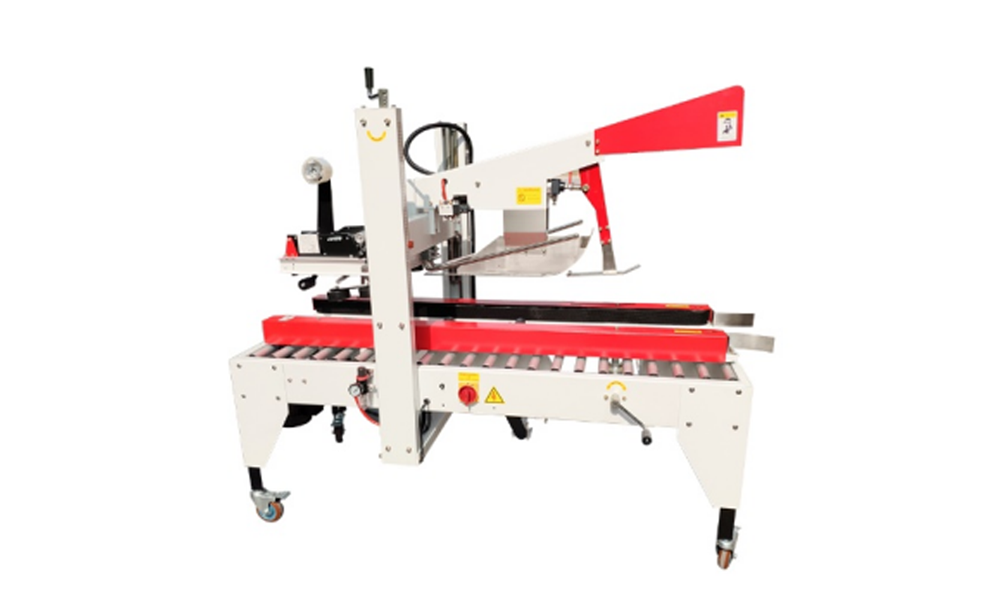
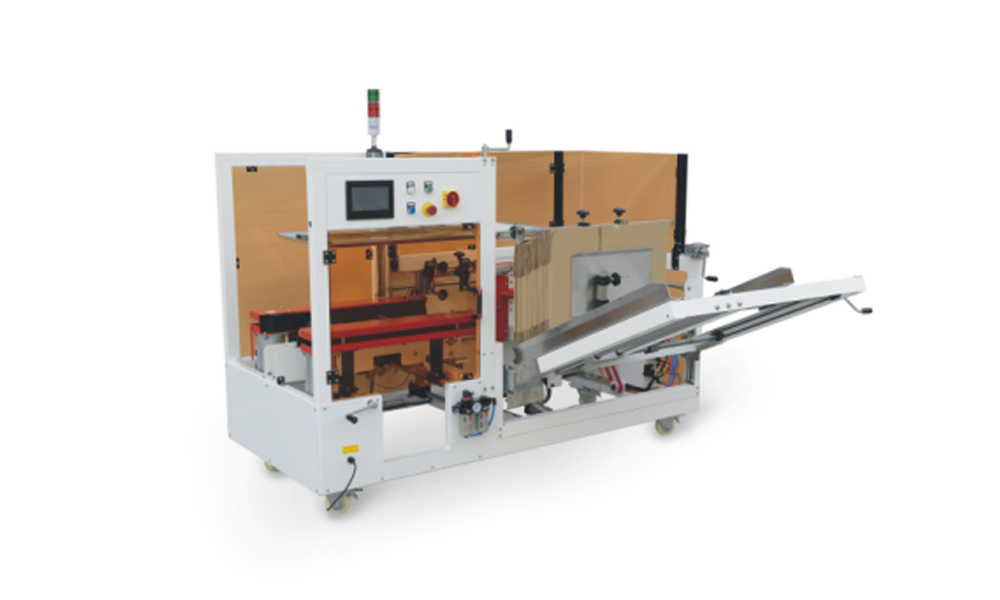
With the deepening of Industry 4.0, the modern back-end packaging line has evolved into an intelligent production system integrating data analytics, IoT connectivity, and adaptive control, breaking the limitations of traditional automated equipment and becoming a key driver for enterprises to achieve lean production.
The technical upgrade of the packaging line is highlighted by three core innovations. First, the intelligent control system adopts PLC and HMI integrated design, supporting real-time monitoring of equipment operation status, fault early warning, and parameter adjustment. It can automatically adapt to product specification changes within a certain range without manual reconfiguration, improving production flexibility. Second, the digital twin application constructs a virtual simulation model of the packaging line, enabling pre-production process simulation, bottleneck analysis, and optimization, which reduces the debugging cycle by 30% and lowers trial-and-error costs. Third, the energy-saving and environmental protection module integrates low-power motors, recyclable packaging material adaptors, and waste reduction mechanisms, reducing energy consumption by 15-20% compared with conventional lines and meeting the global green production trend.
In terms of industry-specific customization, the packaging line achieves deeper scenario adaptation. For the pharmaceutical industry, it complies with FDA and GMP requirements, featuring dust-free design, batch number precision tracing, and anti-cross-contamination functions, ensuring the safety and traceability of pharmaceutical products. For the food and beverage industry, it integrates aseptic packaging technology, date coding anti-counterfeiting systems, and shelf-life management functions, effectively extending product circulation cycles. For the 3C electronics industry, it is equipped with static elimination devices, precision positioning mechanisms, and anti-collision protection systems, adapting to the fragile and small-sized characteristics of electronic components. For the logistics packaging sector, it supports variable-size carton forming and intelligent packing optimization, maximizing space utilization and reducing transportation costs.
In addition to efficiency and quality improvement, the advanced back-end packaging line emphasizes user-centric design. It adopts a modular structure for easy maintenance and expansion—enterprises can add functional modules (such as automatic weighing, metal detection, or nitrogen-filled preservation) according to business development needs, avoiding overall equipment replacement. The human-machine collaboration design simplifies operation interfaces, reduces training costs for operators, and improves on-site safety.
Widely recognized in global manufacturing, this intelligent back-end packaging line not only helps enterprises enhance production competitiveness but also provides strong support for digital transformation. With continuous technological iteration, it will further integrate AI visual recognition, cloud-based data management, and collaborative robot technology, creating more value for the entire industrial chain.


 English