

 vs
vs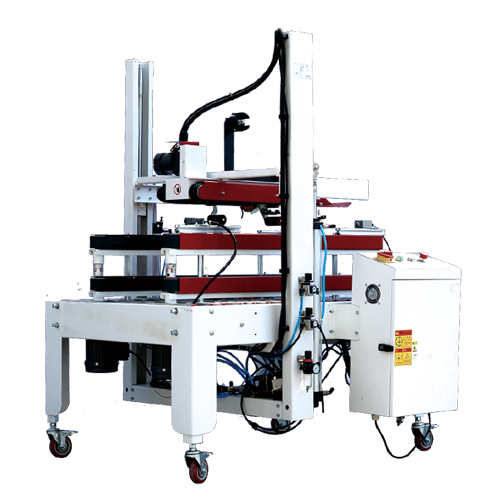
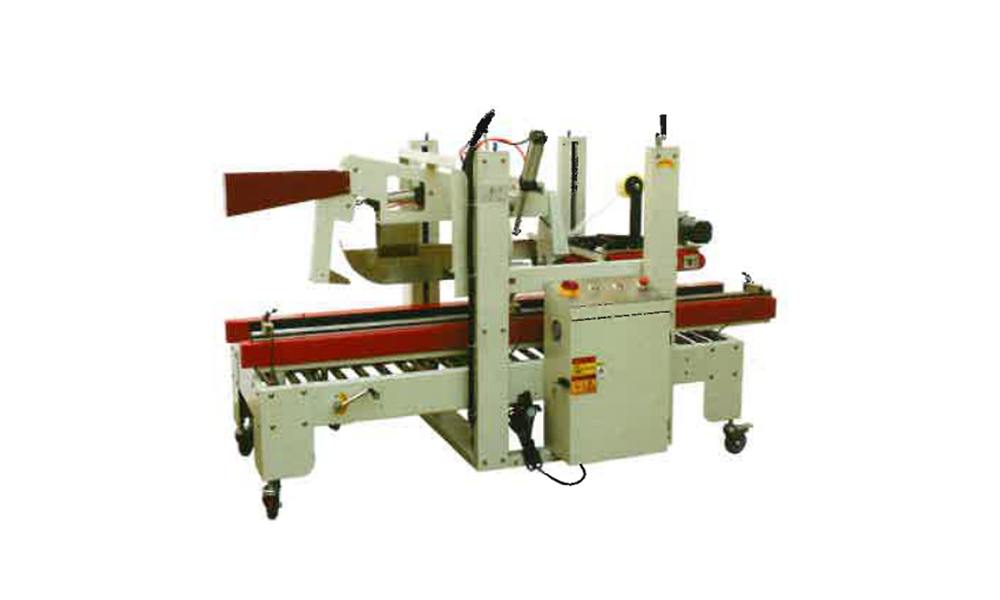
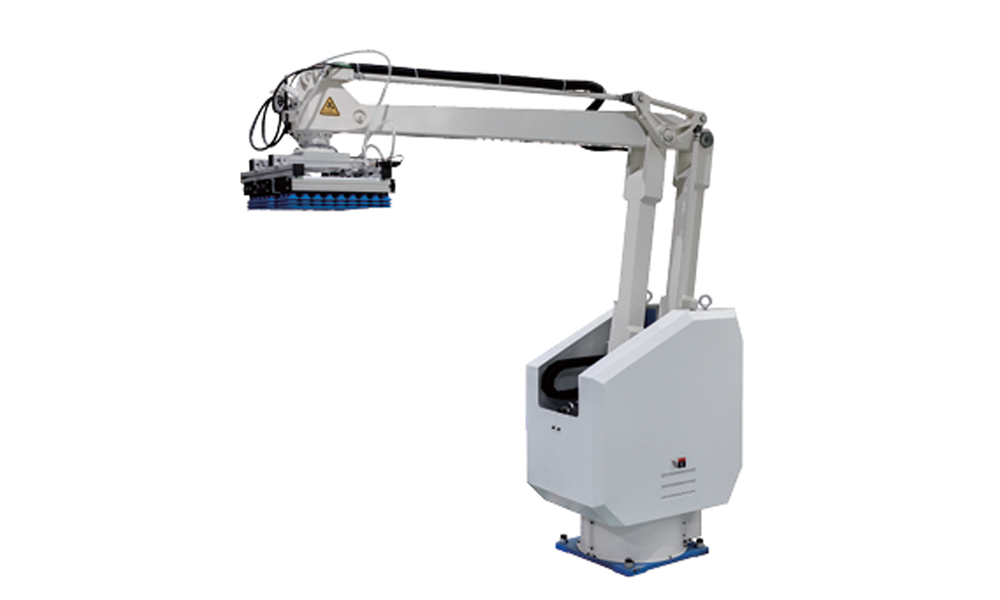
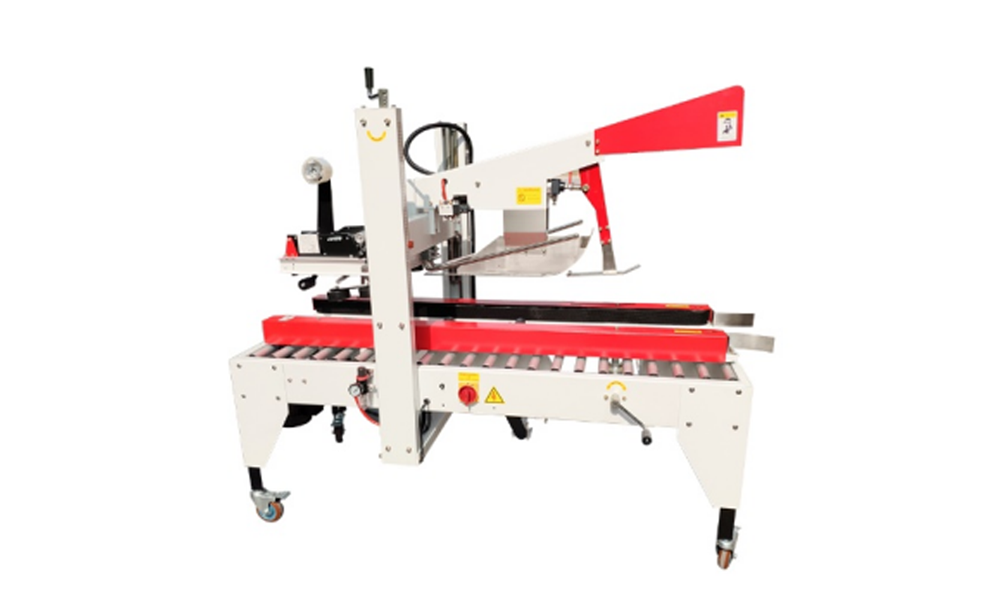
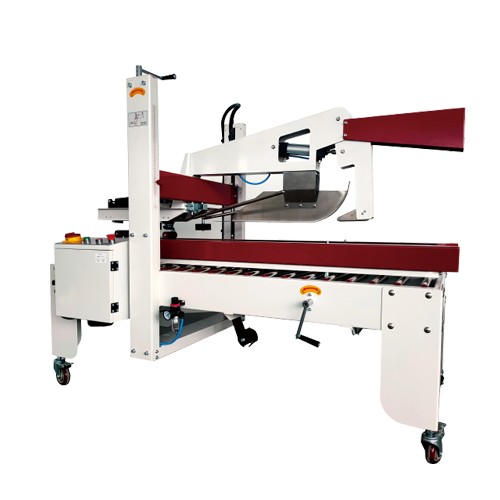
In packaging production lines, carton sealing machines act as the "final gatekeepers"—they not only ensure secure carton sealing but also need to keep up with the overall production rhythm. However, the choice between "high-speed" and "low-speed" is not simply a matter of "fast" vs. "slow"; it depends on matching an enterprise’s production capacity, product characteristics, and cost budget. Below, we will thoroughly clarify the core differences between the two through a "tabular comparison + scenario interpretation."
Comparison Dimension | High-Speed Carton Sealing Machine | Low-Speed Carton Sealing Machine | Vivid Analogy |
Sealing Speed | Typically ≥20 cartons/minute; some models can reach over 60 cartons/minute | Typically ≤15 cartons/minute; most range from 5-10 cartons/minute | High-speed machines are like "express sorting center assembly lines"; low-speed machines are like "convenience store manual packaging stations" |
**Applicable Production Scale | Large-scale mass production (daily sealing volume ≥5,000 cartons) | Small-to-medium-scale production/occasional packaging (daily sealing volume ≤2,000 cartons) | High-speed machines serve "large factories"; low-speed machines adapt to "small workshops/stores" |
**Machine Structure & Stability | Heavy-duty body (mostly steel structure), equipped with automatic feeding and positioning calibration systems, ensuring high operational stability | Lightweight body (mostly aluminum alloy/plastic structure), mostly manual feeding, relying on manual positioning | High-speed machines are like "heavy-duty trucks" (stable and durable); low-speed machines are like "family cars" (flexible but with limited load capacity) |
**Applicable Carton Specifications | Supports automatic adjustment for multiple specifications (e.g., width 80-500mm, height 50-300mm), suitable for scenarios with batch production of same-specification cartons or occasional specification changes | Mostly fixed specifications or manual adjustment (requiring 5-10 minutes of downtime for adjustment), suitable for scenarios with single-specification cartons or very few specification changes | High-speed machines are like "versatile wardrobes" (with adjustable shelves); low-speed machines are like "fixed shoe cabinets" (only fitting specific-sized shoes) |
**Labor Dependence | Fully automatic operation; only 1 worker needed to monitor the equipment and replenish tape, no manual intervention in the sealing process | Requires 1 worker for full-process operation (carton feeding, positioning, starting sealing); some simple models need 2 workers for coordination | High-speed machines are like "automatic washing machines" (load clothes and wait for results); low-speed machines are like "manual washboards" (manual operation throughout) |
**Initial Purchase Cost | Relatively high (usually RMB 30,000-150,000/unit; imported models can exceed RMB 200,000) | Relatively low (usually RMB 5,000-30,000/unit; simple models only cost a few thousand RMB) | Buying a high-speed machine is like "purchasing a car"; buying a low-speed machine is like "buying a bicycle" |
**Post-Purchase Maintenance Cost | Relatively high (requires regular replacement of high-precision parts, professional maintenance, and high electricity consumption) | Relatively low (parts are cheap and easy to replace, maintainable by ordinary employees, and low electricity consumption) | Maintaining a high-speed machine is like "maintaining a luxury car" (high maintenance costs); maintaining a low-speed machine is like "maintaining a bicycle" (almost no maintenance costs) |
**Core Advantages | High efficiency, consistent sealing quality, suitable for large-scale standardized production | Low cost, flexible operation, small footprint, suitable for small-batch/multi-category production | High-speed machines excel in "scale efficiency"; low-speed machines excel in "flexibility and cost-saving" |
**Core Disadvantages | High cost, large footprint (requires reserved space for production lines), long debugging time when changing specifications | Low efficiency, sealing quality dependent on manual operation, difficulty in coping with sudden production surges | High-speed machines "struggle with small batches"; low-speed machines "struggle with tight deadlines" |
After reading the table, many people may still be confused: "Which one should I choose?" In fact, the answer lies in your specific "production scenario." Let’s analyze this with two real cases:
Case 1: A Large E-Commerce Warehouse (Daily Sealing Volume: 12,000 Cartons)
Requirements: Process over 10,000 express orders daily, with carton specifications mainly "30cm×20cm×25cm" and occasional changes to "40cm×30cm×30cm." The tape after sealing must be flat and bubble-free, without delaying the express delivery schedule.
Choice: High-speed carton sealing machine (equipped with an automatic feeding conveyor belt)
Rationale: If low-speed machines were used, based on a speed of 10 cartons/minute, 20 machines and 20 workers would be required to meet the daily production capacity. This would not only result in high labor costs but also lead to inconsistent sealing quality due to variations in manual operation (e.g., some cartons with skewed tape, some with missing tape). In contrast, 1 high-speed carton sealing machine (40 cartons/minute) plus 1 monitoring worker can easily handle the workload. The sealing quality is as consistent as "copy-paste," and it can save 80% of labor costs.
Case 2: A Small Toy Factory (Daily Sealing Volume: 800 Cartons)
Requirements: Produce 5-8 types of toys of different sizes daily, with carton specifications ranging from "15cm×10cm×8cm" (small part boxes) to "50cm×40cm×35cm" (large toy boxes). Occasionally, there are urgent customer orders (up to 200 additional cartons). The factory workshop area is only 50㎡.
Choice: Low-speed carton sealing machines (2 units, corresponding to small/large-sized cartons respectively)
Rationale: If a high-speed machine were purchased, the initial investment of over RMB 30,000 would be a "significant expense" for a small factory. Secondly, the workshop area is small, leaving no space for the "heavy-duty body + conveyor belt" of a high-speed machine. Most importantly, carton specifications need to be changed several times a day, and each adjustment of a high-speed machine takes 15 minutes, which would instead delay production. In contrast, 2 low-speed machines (total budget RMB 12,000) have a footprint of only 1㎡ per unit. Workers can complete manual adjustments in 5 minutes when changing specifications. Even for urgent additional orders, arranging 1 worker to work 2 hours of overtime is sufficient to meet the demand, making it flexible and cost-effective.
1. Calculate Production Capacity: If the daily sealing volume is ≥5,000 cartons, prioritize high-speed machines; if ≤2,000 cartons, prioritize low-speed machines; for volumes between 2,000-5,000 cartons, consider "production expansion plans" (e.g., if expansion is expected within the next year, a high-speed machine can be chosen in advance).
2. Check Carton Specifications: If carton specifications need to be changed ≥3 times a day or there are large differences in specifications (e.g., both small boxes and large cartons), low-speed machines are more flexible; if 1-2 fixed specifications are used for a long time, high-speed machines are more efficient.
3. Calculate Costs: If the initial budget is ≤RMB 30,000, choose low-speed machines directly; if the budget is sufficient (≥RMB 50,000) and long-term labor cost savings are desired, choose high-speed machines (based on a monthly salary of RMB 5,000 per worker, a high-speed machine can save 5-10 workers’ labor costs within one year).
In conclusion, there is no "best carton sealing machine"—only the "most suitable one." Matching your production rhythm ensures that the packaging process neither "holds back production" nor "wastes money."


 English