

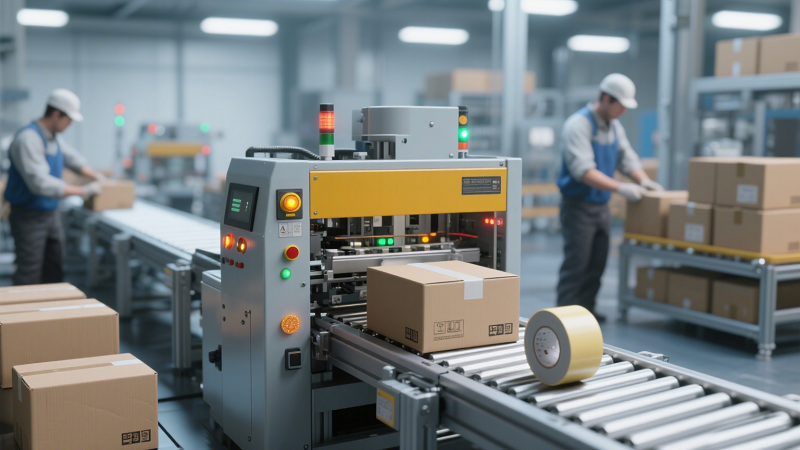
In modern industrial production, packaging is a crucial pre-stage before products enter the distribution phase. The efficiency and quality of this process directly impact a company's operating costs and brand image. As essential automation equipment in packaging lines, carton sealing machines play a vital role across various industries. With continuous technological advancements, these machines are reshaping traditional packaging methods, offering increased efficiency, precision, and reliability.
The power source is fundamental to the efficient operation of carton sealing machines. High-end models commonly use servo motors, which offer faster response times and superior speed regulation compared to conventional motors. For example, in a leading automatic carton sealing machine, the servo motor can accelerate from a standstill to full speed within 0.1 seconds. This rapid response significantly shortens the sealing cycle of individual cartons and boosts overall production efficiency.
In terms of transmission, synchronous belts and chain drives are the mainstream solutions. Synchronous belts, thanks to the tight meshing between belt teeth and pulleys, provide slip-free power transmission. This ensures the conveyor belt moves smoothly and the sealing components operate with high precision. Transmission errors are minimized, reducing the risk of sealing defects caused by misalignment.
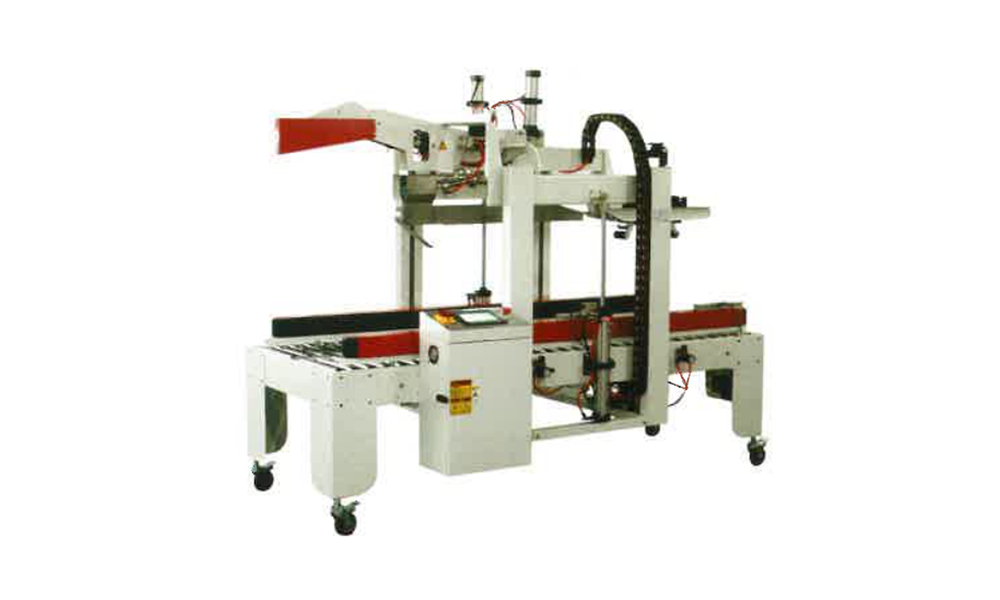
At the heart of the sealing process is the precise application of adhesive tape. The tape cutting and application mechanisms have been continuously optimized. Equipped with sharp blades and efficient cutting drives, these box sealing machines can slice the tape cleanly within milliseconds, leaving smooth, flat edges for neat sealing.
An advanced tape guidance system functions like an "intelligent navigator," ensuring the tape follows a precise path and adheres accurately to the carton's surface. Whether sealing the top, sides, or corners, the system achieves firm adhesion without wrinkles or misalignment, ensuring both aesthetics and strength.
The intelligent control system acts as the "brain" of the carton sealing machine, providing real-time monitoring and autonomous control. Equipped with multiple sensors, the system collects data on carton size, tape tension, and sealing speed. When carton specifications change, the sensors immediately relay this to the control system, which then automatically adjusts parameters such as belt speed, sealing head position, and tape length—ensuring seamless operation without constant manual intervention.
In case of anomalies such as tape depletion or carton jams, the system triggers alarms and initiates emergency responses or corrective actions. This minimizes downtime and ensures continuous production.
The food industry has stringent requirements for hygiene and sealing quality. Carton sealing machines use "I" or "H"-shaped sealing patterns to tightly seal cartons, preventing contamination from dust, moisture, or microorganisms during transportation and storage. This helps preserve freshness and extends shelf life.
For instance, a major food company reported an 80% increase in packaging efficiency after implementing automatic carton sealing machines. They now process tens of thousands of cartons daily, while also saving approximately 10% on tape consumption due to enhanced sealing precision. This has reduced production costs and improved the brand's professional image.
In pharmaceuticals, where safety and compliance are critical, carton sealing machines use high-quality imported components and precision electrical parts to ensure stable, reliable operation. Integrated into full packaging lines—including box forming and packing—they enable fully automated processes with minimal human contact. This reduces contamination risks and helps maintain the safety and integrity of pharmaceutical products.
Electronic products are sensitive to vibration and compression. The "H"-shaped four-corner sealing method acts like a protective armor, enhancing the structural strength of cartons and safeguarding the contents.
Carton sealing machines are easily integrated into highly automated electronics production lines. In one electronics factory, packaging efficiency increased by 70% after implementing sealing machines—easing workload during peak production and ensuring timely product delivery.
Daily chemical products often follow fixed packaging standards. Carton sealing machines can quickly adjust to various carton sizes, minimizing changeover time. Their high-speed, stable performance makes them ideal for mass production. The clean, uniform sealing enhances product presentation and boosts shelf appeal and competitiveness.
These sectors face large, fluctuating order volumes, demanding high packaging efficiency. Carton sealing machines using L-type continuous sealing processes rapidly seal carton tops and corners, securing items for transport.
Semi-automatic and fully automatic machines offer flexible operation modes based on carton size. During major e-commerce events like "Double 11" or "618", they significantly improve packaging throughput, supporting high-speed logistics and timely deliveries.
Manufacturing involves a broad range of products with varied packaging needs. Carton sealing machines, known for their stability and low failure rates, are a preferred solution. Equipped with safety blade guards and durable structures, they support extended, high-intensity operation.
Manufacturers can choose from standard models or customize machines to meet specific production demands. This adaptability enhances packaging efficiency and supports overall process optimization.
Carton sealing machines, driven by advanced technology, are revolutionizing packaging across numerous industries. They significantly enhance efficiency and quality while reducing operational costs. As technology continues to evolve, these machines are expected to become even more intelligent, efficient, and environmentally friendly—injecting innovation into industrial packaging and pushing the sector toward higher levels of automation and modernization.


 English