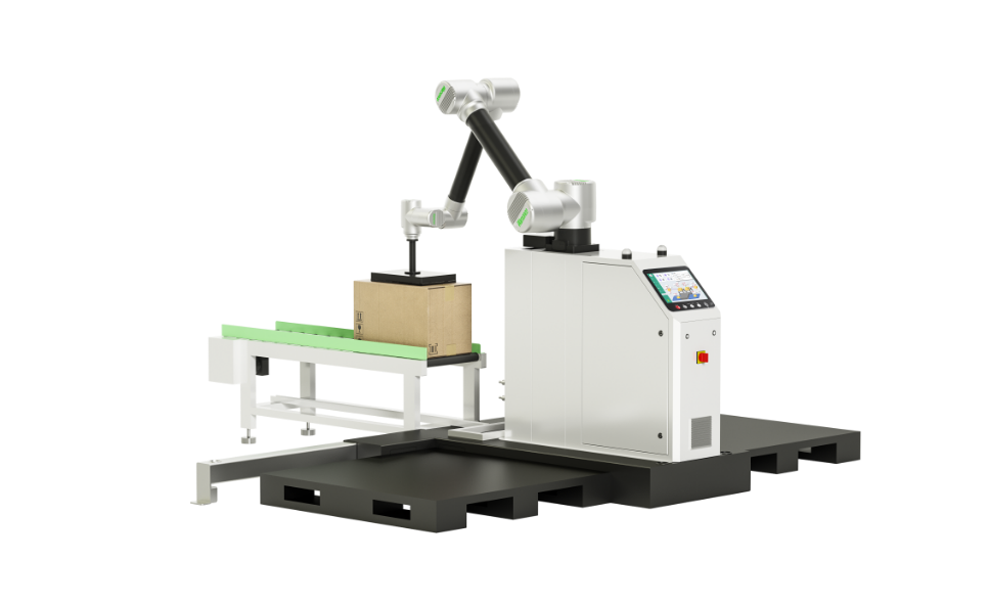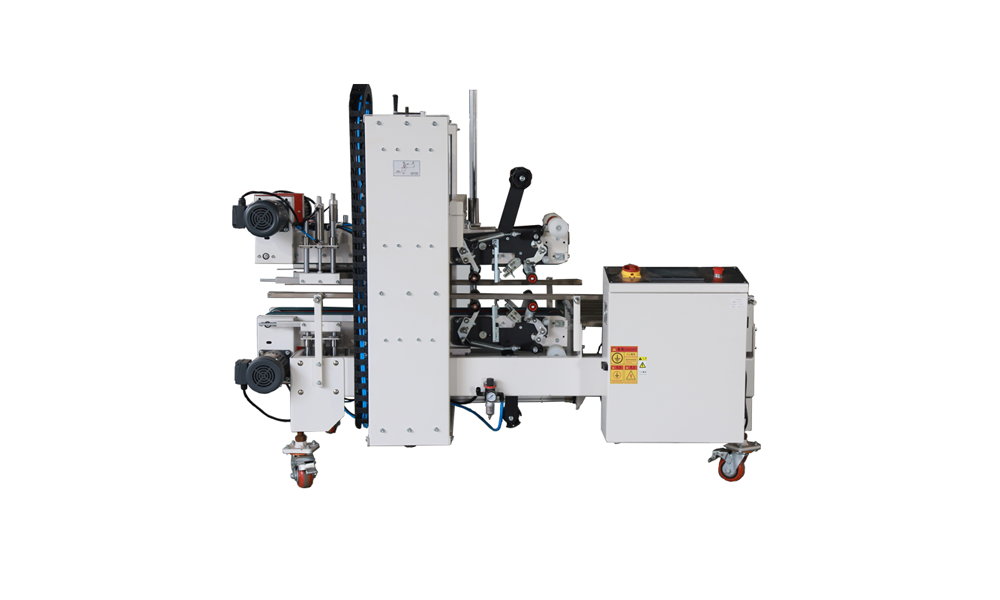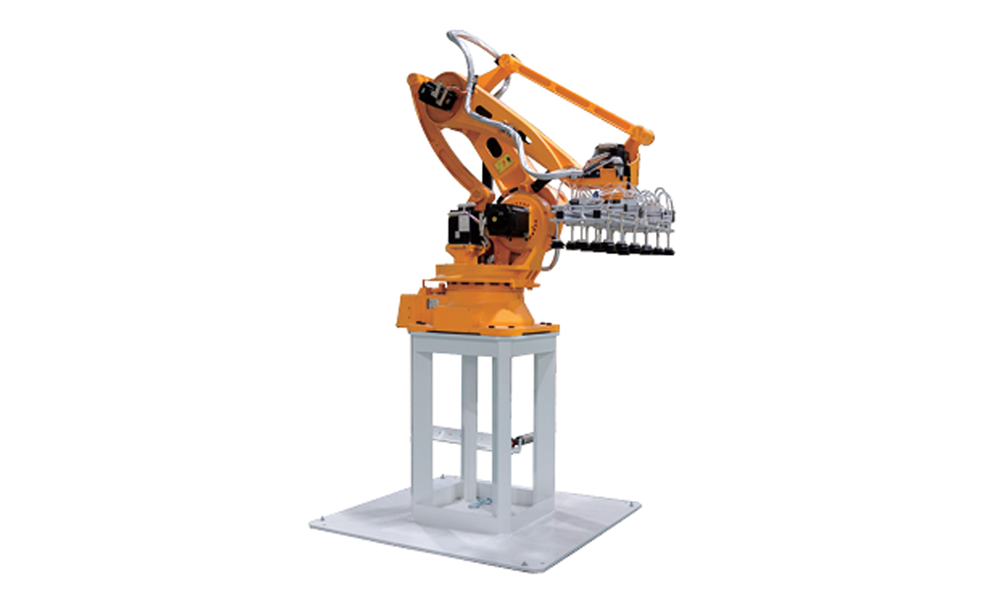


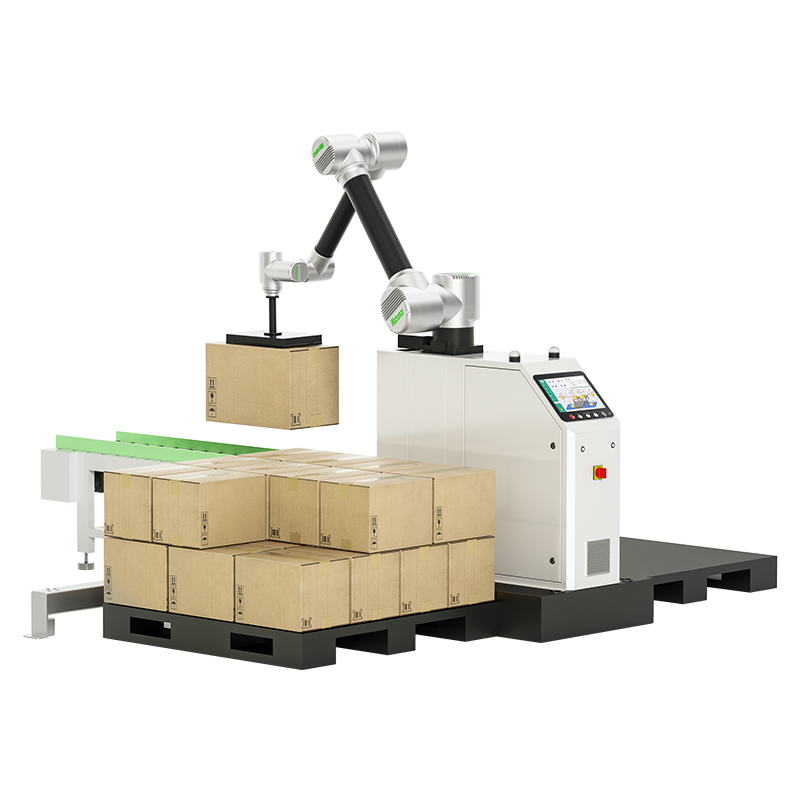
As a pivotal part of the smart manufacturing ecosystem, intelligent palletizers have evolved beyond basic stacking functions, integrating IoT, AI, and adaptive control technologies to meet the dynamic demands of modern production lines. These advanced devices redefine operational flexibility, connectivity, and precision, becoming a cornerstone for industries pursuing lean manufacturing and supply chain optimization.
The intelligent upgrade brings transformative efficiency gains. Equipped with vision recognition systems, modern palletizers can automatically identify product dimensions, weights, and packaging types, adjusting stacking patterns in real time without manual intervention. Their processing capacity ranges from 600 to 1200 units per hour, with high-speed models achieving 30-40 cycles per minute—up to 6 times faster than manual work. Moreover, AI-powered predictive maintenance minimizes downtime by 40%: sensors monitor mechanical wear, lubrication levels, and electrical performance, alerting technicians to potential issues before failures occur.
Flexibility and customization are key strengths of intelligent palletizers. Modular mechanical structures and programmable logic controllers (PLCs) enable seamless adaptation to diverse load requirements—from lightweight cartons (5-10kg) to heavy-duty containers (50-100kg). They support multiple stacking configurations (e.g., cross-stacking, column-stacking) and can switch between production orders within 30 seconds, ideal for small-batch, multi-variety production scenarios common in electronics, pharmaceuticals, and logistics. For special-shaped products or fragile goods, soft-grip end effectors and pressure-sensitive controls reduce damage rates to less than 0.5%.
Connectivity and data-driven management enhance operational visibility. Integrated with MES (Manufacturing Execution Systems) and ERP platforms, intelligent palletizers transmit real-time data on stacking counts, operational status, and energy consumption. This enables managers to optimize production scheduling, track inventory flow, and reduce energy costs by 15-20% through smart power management. In smart warehouses, they collaborate with AGVs (Automated Guided Vehicles) and robotic arms, forming a fully automated material handling chain that cuts lead times by 30%.
From pharmaceutical blister packs to automotive components, intelligent palletizers adapt to the unique needs of each industry. Their ability to balance speed, precision, and adaptability makes them indispensable for enterprises aiming to stay competitive in the era of Industry 4.0, unlocking new potentials for productivity and operational excellence.


 English